

You are driving home peacefully. The music is on, traffic is light, and suddenly a red light appears on your dashboard. What do you do? Do you keep driving until you get home, or do you look for a safe place to stop immediately?

For many drivers, a moment like this can cause uncertainty. Especially if you are not sure what a warning signal means. However, you do not need to know every technical detail about your car. What is important is that you can recognise the most important signals and know when you need to take action.
This is not only useful for your theory test. It can also help you prevent danger, damage and unnecessary repair costs.
In this article, we discuss the most important warning signs that every driver should be able to recognise.
A red dashboard light? Take it seriously
A red dashboard light? Take it seriously
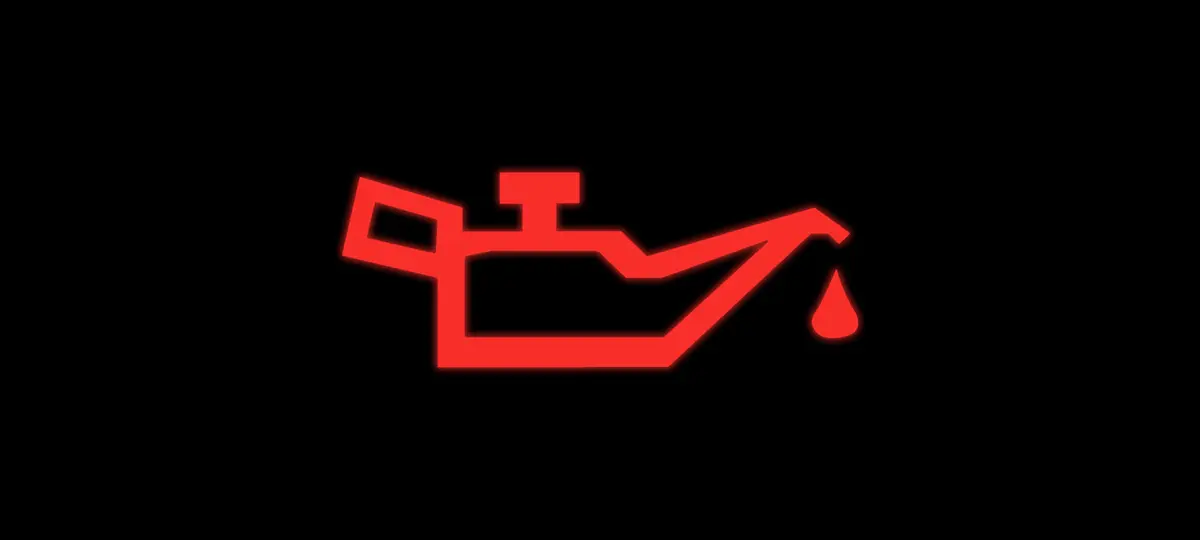
A red light on your dashboard usually means that something is wrong and requires your immediate attention. It could, for example, indicate a problem with the brakes, oil pressure, engine temperature or charging system.
A red warning light does not automatically mean that your car will immediately break down. However, it is a signal that you should not simply continue driving as if nothing is wrong.
Look for a safe place to stop as soon as possible and check what the warning light means. If you do not know what is wrong or are unsure whether it is still safe to continue driving, do not take unnecessary risks and seek assistance.
As a simple rule of thumb, remember:
Red = pay immediate attention and take action.
The colour of a dashboard light therefore provides important information. Green lights are generally informational, yellow or orange lights require attention, and red lights usually indicate a situation that requires immediate action.
Yellow or orange: no need to panic, but check it
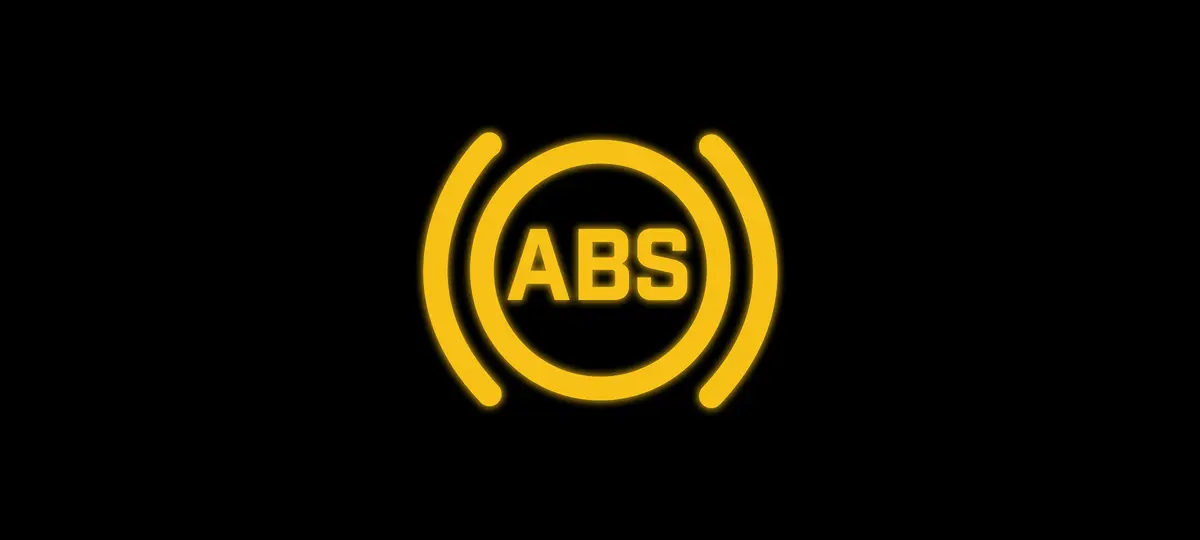
A yellow or orange light does not usually mean that you need to stop immediately. It is mainly a warning that something requires attention.
A common example is the engine warning light. The ABS warning light or tyre pressure warning light may also appear in yellow. You may often be able to continue driving in such a situation, but that does not mean you can ignore the warning.
Check what the light means as soon as possible and take the necessary action. It is better not to wait for weeks and hope that the warning will disappear on its own.
Also pay attention to the difference between a light that stays on continuously and one that flashes. Depending on the system, a flashing warning signal can indicate a more serious problem.
A useful rule of thumb is therefore:
Yellow or orange = pay attention and check it as soon as possible.
Your car can warn you without a dashboard light
Not every problem appears on your dashboard. Sometimes you notice while driving that something does not feel right.
Does the steering suddenly feel different? Does the car vibrate when braking? Does it pull to one side? Does the brake pedal feel different than usual? These are all signals you should take seriously.
You do not have to be a mechanic to notice that your car is behaving differently than normal. That is why it is important not only to pay attention to traffic signs and other road users while driving, but also to how your own car behaves.
A change in the way your car drives could, for example, be related to the tyres, brakes or other parts of the vehicle.
Are you unsure whether your car is still safe to drive? Reduce your risk and, if necessary, find a safe place to stop.
Pay attention to your tyres and tyre pressure
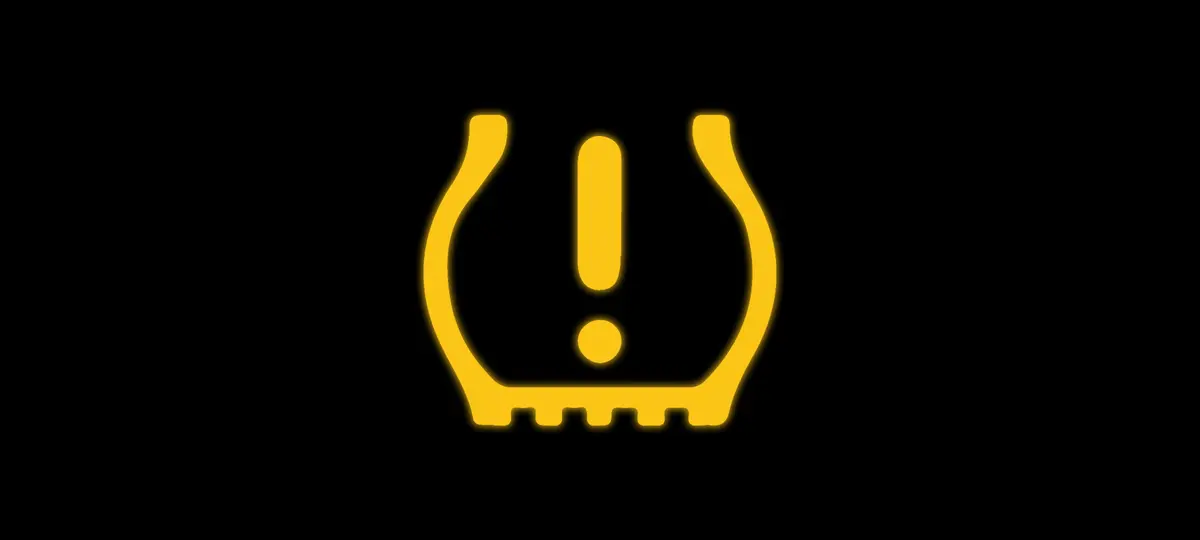
Your tyres are the only point of contact between your car and the road. Yet they do not always receive the attention they deserve.
A tyre pressure warning light is therefore not something you should simply dismiss because the car still appears to drive normally. Incorrect tyre pressure can affect handling, fuel consumption and tyre wear.
But your tyres can also give you a warning without a dashboard light. If you suddenly notice that the car is handling differently while driving or suspect that a tyre has been damaged, reduce your speed calmly and look for a safe place to stop.
Taking a few minutes to check is ultimately always better than ignoring a potential problem.
Changes in your braking behaviour are important
Good brakes are essential for driving safely. That is why it is important not to ignore changes in the way your car brakes.
Perhaps the brake pedal feels different than usual. You notice vibrations when braking, hear an unusual sound, or the car pulls to one side when you brake. A warning light for the braking system should also be taken seriously.
You do not necessarily need to determine the cause yourself. The important thing is to recognise a change and understand that your braking system may need attention.
This is especially important when you need to brake unexpectedly. In traffic, situations can develop quickly, for example when a cyclist suddenly changes direction or the traffic ahead suddenly comes to a stop.
A strange noise is also a warning sign
Not every warning comes in the form of a light. Sometimes your car tells you that something has changed through a sound.
A squeak, rattle, tapping or grinding noise that you have not heard before can indicate that something is not working properly. Of course, cars make different sounds while driving. But if your car suddenly sounds different from normal, it is worth paying attention to.
The better you know your car, the sooner you will notice changes. If you know how your car normally drives, steers, brakes and sounds, you will recognise unusual behaviour more quickly.
That is an important habit for every driver: recognise problems before they become bigger problems.
Engine overheating? Stop somewhere safe
A warning that your engine temperature is too high should be taken seriously. If the engine overheats, continuing to drive can cause serious damage.
A problem with the cooling system or a low coolant level could, for example, be the cause.
If you see a temperature warning or notice that the temperature gauge is clearly too high, find a safe place to stop and switch off the engine. Allow the engine to cool down sufficiently before carrying out any checks.
Be careful when dealing with the cooling system. Never open a hot coolant system without taking the necessary precautions. The fluid and steam may be under pressure and can cause serious burns.
You also need to recognise warning signals on the road
.webp)
Warning signals do not only come from your car. The road and traffic situation also provide constant information that you need to take into account.
Think of traffic signs, road markings, traffic lights, variable message signs and signals from other road users.
For example, a red cross above a lane means that you are not allowed to use that lane. A changing variable message sign may indicate that you need to adjust your speed or driving behaviour to the situation ahead.
Safe driving is therefore not only about reacting to what is happening right now. You also need to look ahead and try to anticipate what may happen further down the road.
This is directly connected to traffic awareness: you recognise a situation, assess the risk and adjust your behaviour in time.
Take uncertainty seriously
Perhaps the most important warning signal is the moment when you think: I don't think something is right here.
Take that feeling seriously.
As a driver, you do not always need to know exactly which part of the car is causing the problem. It is more important to recognise that something is different from normal and then make the right decision.
Sometimes that means reducing your speed. In another situation, you may need to stop somewhere safe or call for assistance. It may also be enough to check the situation before continuing.
The most important thing is not to ignore a potential problem simply because you do not know exactly what is causing it.
Why warning signs are also important for your theory test
While studying for your theory test, you will come across many topics that ultimately have the same goal: teaching you how to assess traffic situations safely.
It is therefore not only about memorising traffic rules. You also need to understand what to do with that knowledge.
This also applies to dashboard lights and vehicle knowledge. The question is not only, "What does this symbol mean?" You also need to recognise what action is appropriate.
That difference between knowledge and understanding is important. During the theory test, you need to be able to assess situations and determine the appropriate response.
Recognising warning signs: this is what you need to remember
You do not need to know every technical detail about your car to respond appropriately. However, it is important to recognise the most important warnings.
As a simple memory aid, think of:
Green → information
Yellow/orange → pay attention and check
Red → take immediate action
But do not only look at your dashboard. Changes in steering, braking, tyre pressure, sounds and the way your car behaves can also be important warning signs.
The sooner you recognise a change, the sooner you can respond.
Ready to improve your traffic awareness?
For your theory test, it is important not only to learn traffic rules, but also to learn how to recognise traffic situations and risks. At Nutheorie, you learn the theory in a practical and structured way, helping you better understand why you need to make certain decisions in different situations.
After all, the theory test is not just about choosing the correct answer. It is about understanding how to participate safely in traffic.



.webp)