.jpg)

Modern vehicles are equipped with a wide range of dashboard lights that help you monitor the condition of your car. While they may seem overwhelming at first, these indicators are essential for safe driving and proper vehicle maintenance. Understanding what they mean—and how to respond—can prevent breakdowns, reduce repair costs, and even save lives.

In this guide, you’ll learn how dashboard lights work, what the different colors indicate, and how to act when they appear.
Why Dashboard Lights Are Important
Dashboard lights are part of your car’s onboard diagnostic system. They alert you when something isn’t functioning correctly or when a system is active. Ignoring these warnings can lead to serious mechanical issues or unsafe driving conditions.
For learner drivers, dashboard lights are also an important topic in the theory exam. You are expected to recognize common symbols and understand the correct response.
The Three Colors of Dashboard Lights
Dashboard warning lights are categorized into three colors: green, yellow, and red. Each color represents a different level of urgency.
Green Lights: System Active
Green lights indicate that a system is switched on and operating as intended. They do not signal a problem but provide information about your car’s current status.
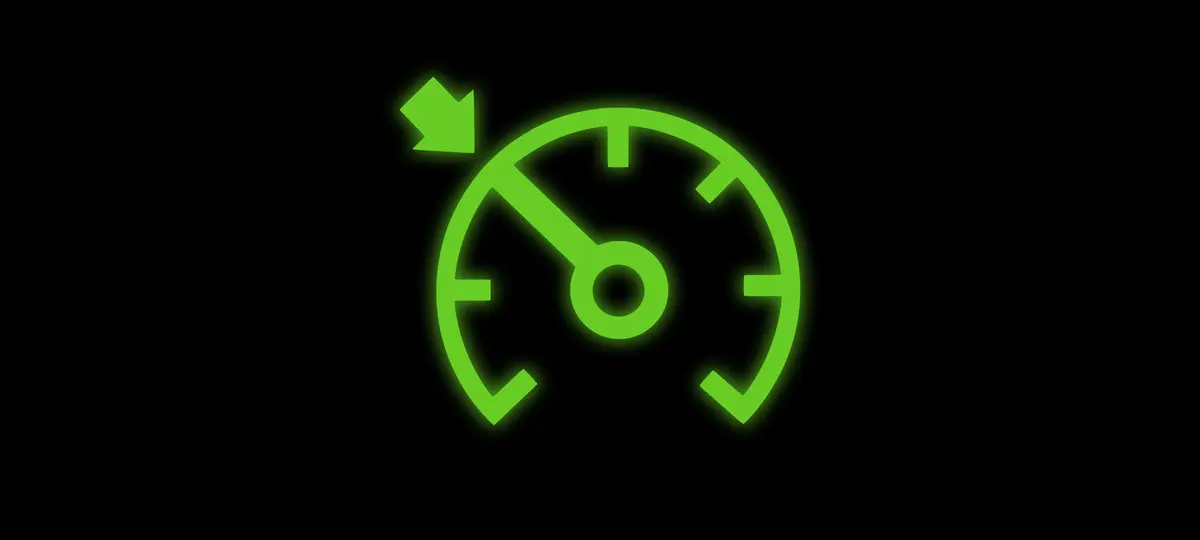
A common example is the cruise control indicator. When this light is on, your car is maintaining a constant speed without requiring pressure on the accelerator. Other green lights may indicate that your headlights or indicators are active.
What to do:
No action is required. These lights are purely informational.
Yellow Lights: Warning Signals
Yellow (or orange) lights serve as a warning. They indicate that something needs attention, but it is not necessarily urgent. However, delaying action for too long can lead to more serious problems.
One of the most important yellow lights is the engine management light, often shaped like an engine block. This light is connected to your car’s internal systems and sensors.
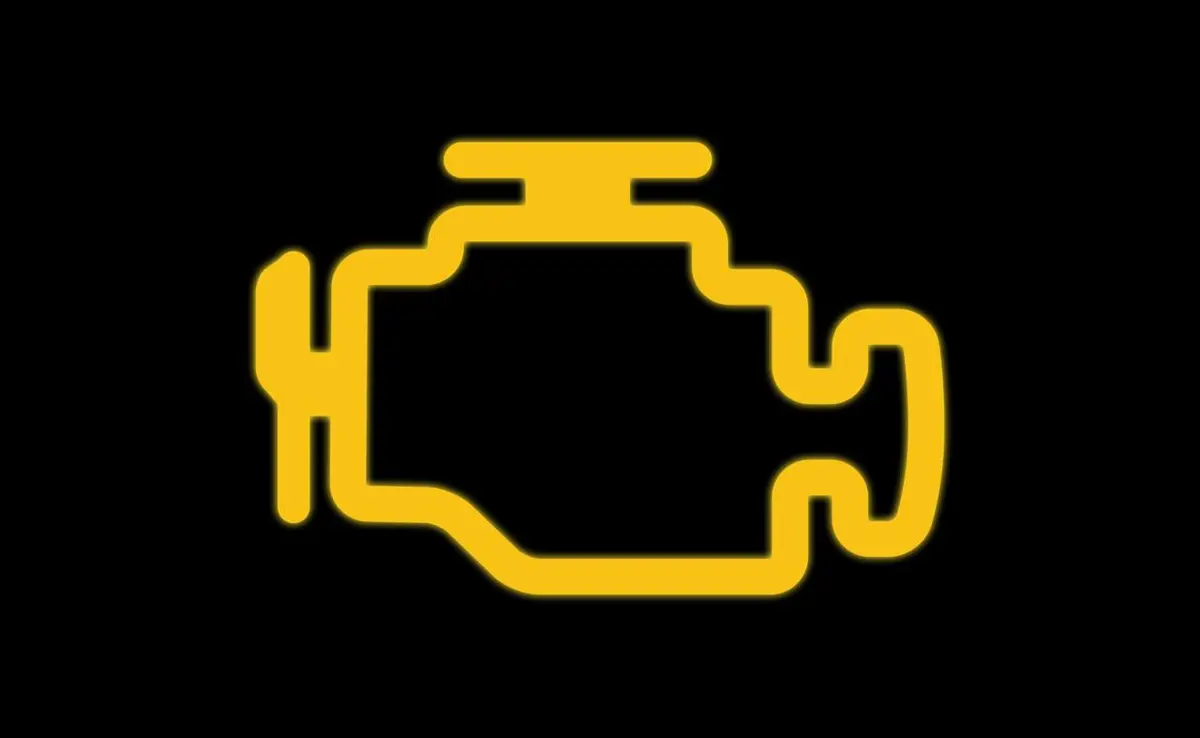
- If the light is constantly on, there is a fault that should be checked soon.
- If the light is flashing, it signals a serious issue. Continuing to drive could cause significant engine damage.
Other common yellow lights include:
- ABS warning light (anti-lock braking system issue)
- Tire pressure warning light (low or uneven tire pressure)
- Fuel warning light (low fuel level)
What to do:
Drive with caution and arrange for inspection as soon as possible. If the light is flashing, stop driving when it is safe to do so.
Red Lights: Immediate Action Required
Red lights indicate serious problems that require immediate attention. These warnings are critical and should never be ignored.
One of the most important red lights is the engine temperature warning light, typically represented by a thermometer symbol. This indicates that your engine is overheating.

Other examples of red warning lights include:
- Oil pressure warning light
- Brake system warning light
- Battery charging warning light
Driving with any of these warnings can result in severe damage or dangerous situations.
What to do:
Stop the vehicle as soon as it is safe. Turn off the engine and assess the situation. If necessary, seek professional assistance before continuing your journey.
What to Do If Your Engine Overheats
An overheating engine is a serious issue that can quickly lead to permanent damage. If the temperature warning light appears, you must act immediately.
The most common cause of overheating is a problem with the cooling system, often due to low coolant levels.
Steps to take:
- Pull over safely and turn off the engine
- Allow the engine to cool down completely
- Check the coolant level (only when the engine is cold)
- Refill coolant if necessary
Coolant plays a crucial role in regulating engine temperature. Without it, the engine can overheat and fail.
Important safety note:
Never open the coolant reservoir while the engine is hot, as this can cause serious burns.
Common Mistakes Drivers Make
Many drivers underestimate the importance of dashboard lights. Some of the most common mistakes include:
- Ignoring yellow warning lights for too long
- Continuing to drive with a flashing engine light
- Not stopping immediately when a red light appears
- Failing to check fluid levels regularly
Developing good habits early will help you avoid these issues and keep your vehicle in good condition.
Dashboard Lights and Your Theory Exam
Understanding dashboard lights is essential for passing your driving theory exam. Questions often test your ability to recognize symbols and choose the correct response.
You may be asked:
- What a specific symbol means
- Whether it is safe to continue driving
- What action you should take in a given situation
By learning the meaning behind these lights, you not only improve your chances of passing but also become a safer and more responsible driver.
.jpg)
Want to Learn More?
If you want to fully understand dashboard lights and other essential driving topics, structured learning can make a big difference.
You can choose a one-day course where everything is explained clearly and efficiently, or opt for an online course that allows you to study at your own pace from home. Both options are designed to help you prepare effectively for your theory exam and build confidence behind the wheel.
Conclusion
Dashboard lights are a critical part of your vehicle’s safety system. Each color—green, yellow, and red—provides valuable information about your car’s condition and tells you how urgently you need to act.
Green lights inform you, yellow lights warn you, and red lights demand immediate action. Understanding these signals can help you prevent breakdowns, avoid costly repairs, and stay safe on the road.
For anyone preparing for a theory exam, mastering dashboard lights is not optional—it is essential. But beyond the exam, this knowledge will stay with you throughout your driving life, helping you make better decisions every time you get behind the wheel.