.jpg)

Understanding proper moped brakes use is essential for your safety and for passing your theory exam. Many riders focus on acceleration and steering, but braking is just as important. Knowing when and how to use your front and rear brakes can significantly improve your control, stability, and stopping distance.

In this article, you will learn everything about effective moped brakes use, including key techniques, special situations, and common mistakes to avoid.
Why Moped Brakes Use Is So Important
Unlike cars, mopeds and motorcycles have two independent braking systems:
- The front brake
- The rear brake
This means you must actively manage how both brakes are used. Correct moped brakes use helps you:
- Stop faster and more safely
- Maintain balance during braking
- Reduce the risk of skidding or falling
Many accidents involving mopeds are caused by incorrect braking, especially by inexperienced riders.

Start With Properly Working Brakes
Before focusing on technique, it is important to make sure your brakes function correctly.
If you can fully pull the brake lever without strong braking force, your brakes are too loose. This reduces braking efficiency and increases stopping distance. Proper moped brakes use starts with well-adjusted brakes that respond immediately when applied.
Regular maintenance is essential to ensure your braking system is reliable.
The Basic Rule of Moped Brakes Use
The general rule is simple:
Use both brakes at the same time.
Combining the front and rear brake gives you:
- Maximum braking power
- Better balance
- More control over your moped
-
The Role of the Front Brake
The front brake provides the most stopping power. When you brake, your weight shifts forward, increasing pressure on the front wheel. This allows the front brake to slow you down more effectively.
However, using only the front brake can make your moped unstable and increases the risk of losing control.
The Role of the Rear Brake
The rear brake plays a key role in stability. It helps keep your moped balanced and prevents sudden weight transfer.
Proper moped brakes use always involves a controlled combination of both brakes.
When to Adjust Your Moped Brakes Use
Although using both brakes is the standard approach, there are situations where you need to adapt your technique.
Riding on Loose Surfaces
On roads with gravel, sand, or loose stones, traction is reduced.
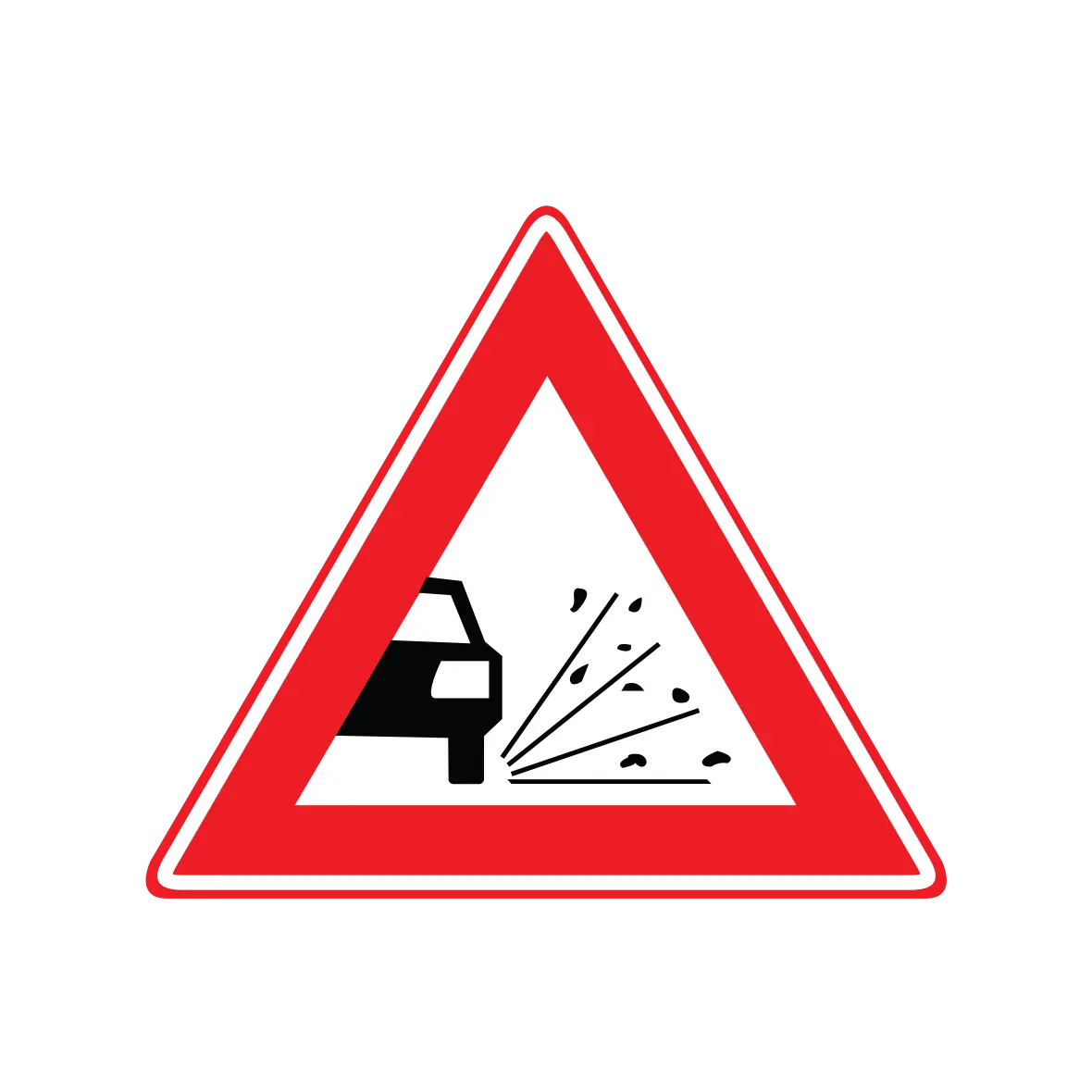
In this situation:
- Use less front brake
- Use more rear brake
Braking too hard with the front brake can cause the front wheel to slide, which often leads to a fall. Using the rear brake helps maintain stability on slippery surfaces.
Taking Sharp Turns
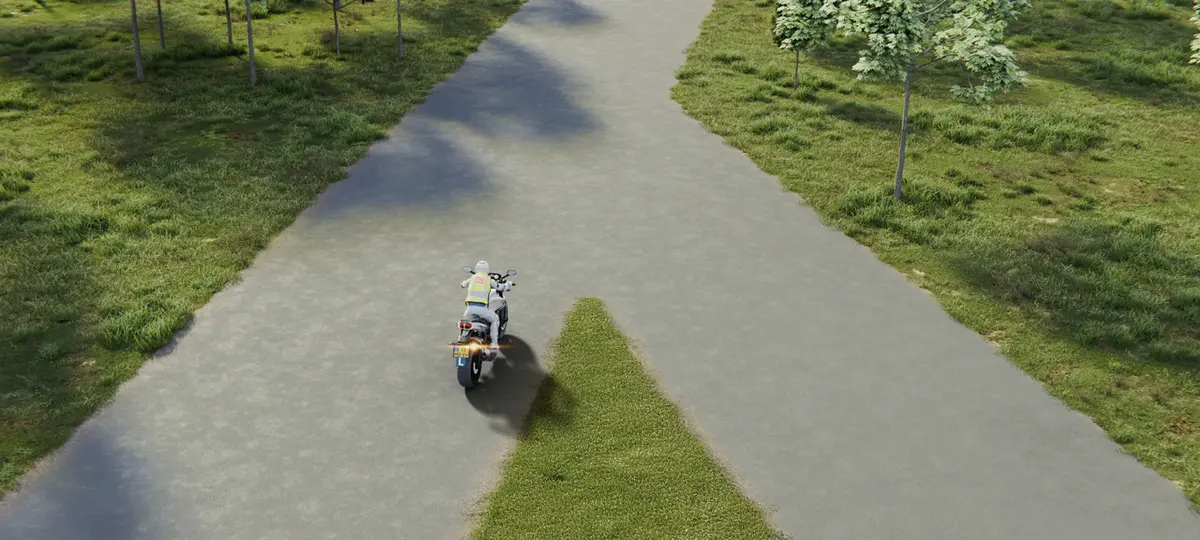
Braking during a sharp turn requires careful control.
In this case:
- Avoid heavy use of the front brake
- Use mainly the rear brake if necessary
The front brake can interfere with steering and increase the chance of losing grip. The rear brake allows for smoother control while turning.
Low-Speed Riding
When riding slowly, such as in traffic or while parking:
- Use gentle rear braking
- Limit front brake use
This helps keep your movements smooth and prevents sudden instability.
Emergency Braking
In an emergency situation, you need to stop as quickly as possible.
Apply:
- Strong front brake pressure
- Controlled rear brake pressure
Always brake progressively rather than suddenly. Abrupt braking can cause the wheels to lock, leading to skidding or loss of control. If your moped does not have ABS, correct moped brakes use becomes even more important.
Common Mistakes in Moped Brakes Use
Avoid these common errors:
- Using only the front brake
- Using only the rear brake
- Braking too abruptly
- Not adjusting to road conditions
- Riding with poorly maintained brakes
These mistakes can increase stopping distance and reduce control.
Practical Tips for Better Moped Brakes Use
- Look ahead and anticipate traffic situations
- Brake smoothly and gradually
- Practice using both brakes together
- Adjust your braking depending on weather and road surface
- Check your brakes regularly for wear and performance
Conclusion
Mastering moped brakes use is essential for safe riding. While the general rule is to use both brakes together, understanding how to adapt your braking technique in different situations will help you stay in control and avoid accidents.
Whether you are preparing for your theory exam or riding daily, proper moped brakes use is a fundamental skill every rider must develop.
If you want to be absolutely sure you understand everything and are ready for your theory test, follow our scooter, or motorcycle theory course and learn step by step so you can hit the road with confidence!
Sign up now for the One-Day Theory Course or the Online Theory Course and pass in a single day. Take the first step toward your driver’s license.



.jpg)

.jpg)
