
What's so dangerous about winter driving? I'm going to explain the dangers of winter weather for you in this blog post, specifically what's so dangerous about it snow and ice.

Winter driving can be wonderful. For example, you go on winter sports, you drive along beautiful white landscapes or roads along the mountains. But it also comes with additional risks. Unfortunately, ice, snow and icy weather conditions cause accidents every winter that could often have been prevented. I'm going to explain to you how to stay safe in traffic this winter!
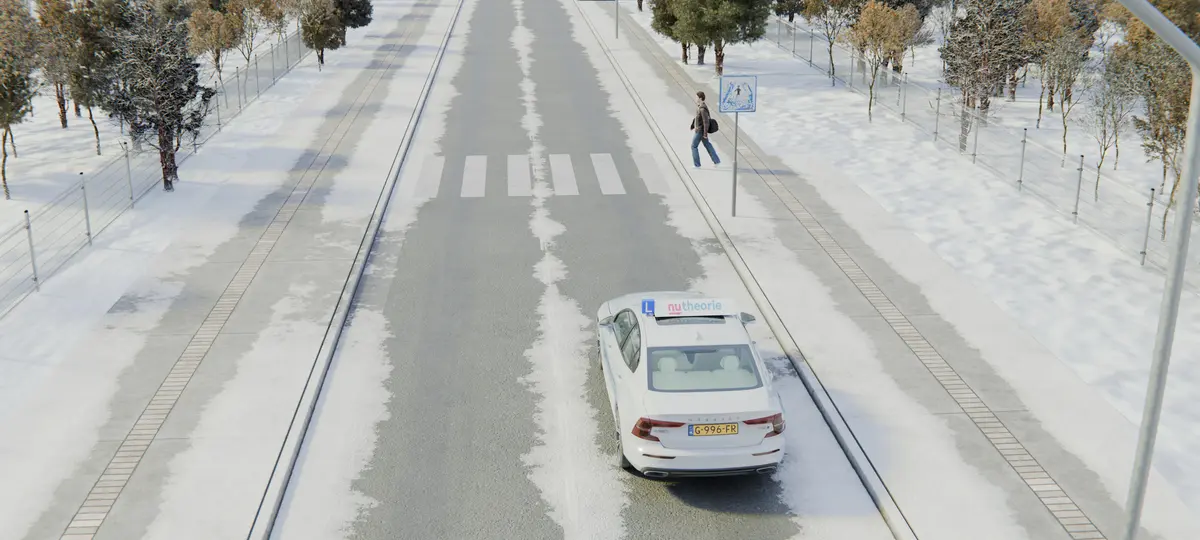
So what is so dangerous? The biggest danger comes through the danger of slipping in the winter. If it has snowed or is icy, then you have less grip on the road. This can make braking, accelerating or steering more difficult. In addition, there is often more chance of poor visibility through heavy snow, fog or foggy windows, for example.
Here are the biggest risks at a glance:
- speeding
- braking too hard or too late, there is a high risk of skidding when it's slippery
- driving too close to the vehicle in front
What is Ice?
Ice is perhaps the most dangerous because you can't see it. If it is very cold and it rains, the rain can freeze immediately when it makes contact with the ground. Actually, it's an almost invisible layer of ice on the road. You can recognize ice when there is a kind of shiny layer on the road surface. It's also important to note that most of it occurs when the temperature is just below freezing. If there is ice and you really need to leave, there are a number of things you can do; drive slower, keep more distance and don't brake too hard.
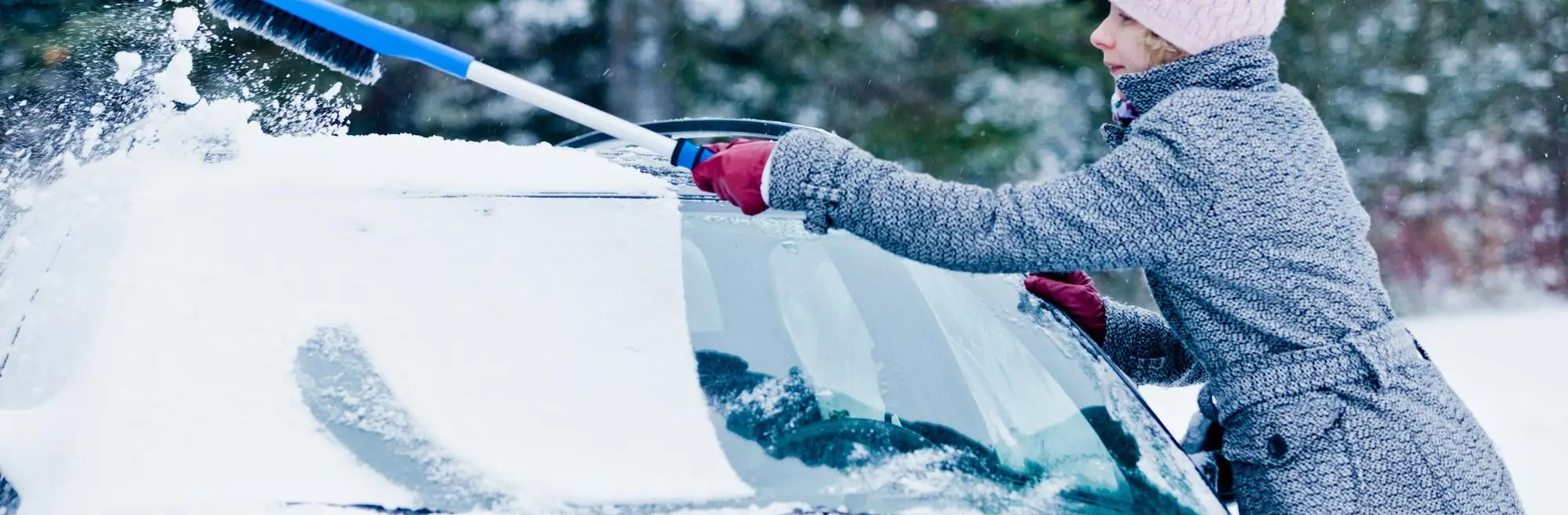
Snow also makes the winter extra dangerous. It reduces visibility when it is snowing, but it can also cause problems when it is no longer snowing. It is of course slippery, and your vehicle can also be covered in snow. Before you drive, you must have the vehicle full snow-free make. It seems obvious that there should be no snow on your windows or mirrors, but it shouldn't be on you either. roof, bonnet whether license plate sit. Road markings may also be covered in snow. Think of road markings or cycle lanes that you can't see properly anymore. Fortunately, I still have some tips for when you have to drive in the snow!
- make sure your windows and mirrors are clean
- drive a little slower
- don't brake too hard
- pay extra attention to bridges and overpasses because you have a higher chance of slipping here
How do you prevent the mistakes that are often made on the road during the cold winter weather? I'm just going to sort everything out for you.
Keep more distance
In good weather, we maintain a following distance of 2 seconds. We are now always talking about winter weather (bad weather) and you need to maintain a following distance of more than 2 seconds.
Drive calmly
If you accelerate, steer and brake slowly, the chance of skidding is also smaller.
Use the right lighting
In case of poor visibility such as fog, snow or rain, dipped headlights are of course mandatory. In winter there may also be heavy fog, snow or rain, and then you are also allowed to use fog lights.. Is visibility less than 50 meters? Then you can also use rear fog light.
Think ahead
Look further ahead than usual. Do you see a curve or car stopped? Start reducing speed early.
If you do start to lose control of your vehicle? Your car starts to skid. You may want to brake hard out of response, this just makes it worse. Don't panic and stay calm. Release your accelerator and keep your steering wheel straight.
Winter checklist for your car
- Scratch and defrost windows
- Sufficient windshield washer fluid (winter variant)
- Good tread depth for your tyres
- Have the battery checked
- Possibly winter tyres or all-season tyres
- Cleaning lights
- Bring warm clothing for emergencies
Conclusion
Winter driving requires more patience, lower speed and better looking ahead. Ice and snow shouldn't be a problem if you take the warnings seriously and adjust your driving style. With the right preparation, you will get to your destination safely.
Do you really want to make sure you understand everything and are ready for your theory? Then follow our car, scooter or motorcycle theory course and learn everything step by step so you can hit the road with confidence!
Then sign up now for the One day theory course or the online theory course and succeed in one day. Take the first step towards your driver's license.