
Recognizing hazards in traffic is a crucial skill for anyone on the road, whether you are a driver, cyclist, or pedestrian. The ability to spot potential dangers early and respond correctly can prevent accidents, save lives, and is essential for passing your CBR theory exam. In this guide, we will cover the types of hazards, how to respond safely, and tips for practicing hazard recognition.

Why Hazard Perception Matters for Safe Driving
Every road user encounters hazards, but not all drivers know how to respond effectively. Hazard perception used to be a separate section on the theory exam, but it has now been replaced with animated videos. These videos simulate realistic traffic situations where quick thinking is required.
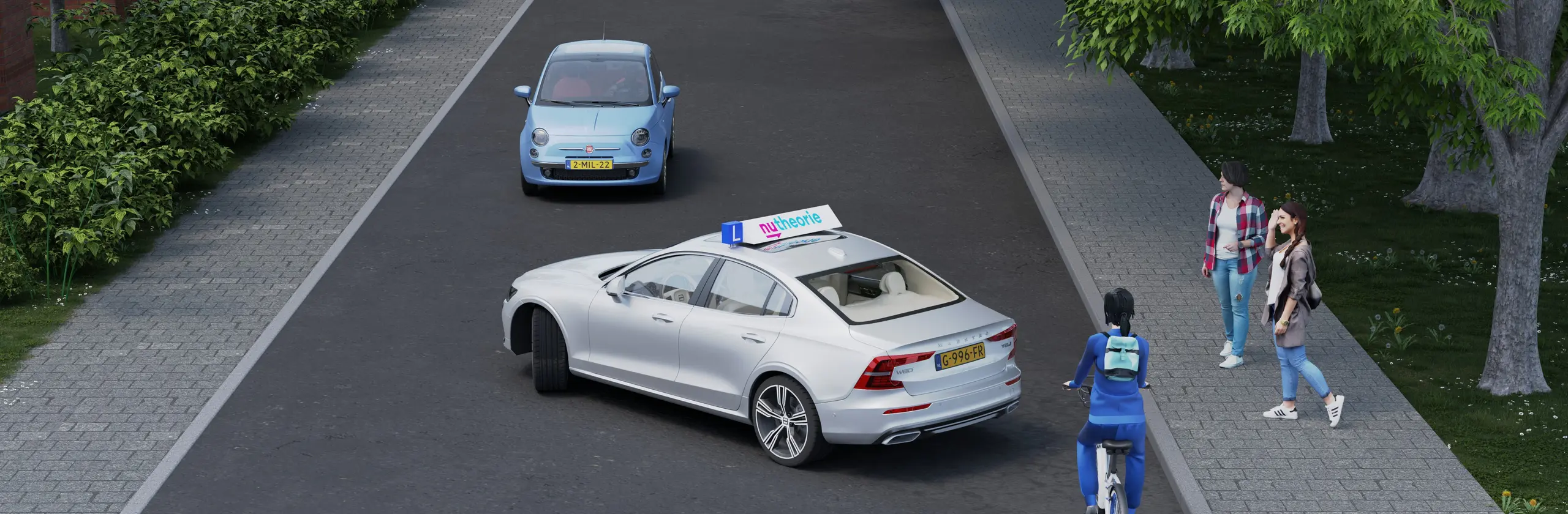
For example, you may see a scenario where a child suddenly steps into the street. You will need to choose the safest response, such as braking or easing off the accelerator. This approach tests your decision-making in realistic conditions and ensures you are prepared for dangers on the road.
Being able to identify hazards early and respond appropriately is one of the most important skills for safe driving.

What Is Hazard Perception?
Recognizing hazards in traffic means identifying situations that could lead to accidents if not addressed. Hazards can appear suddenly or develop slowly over time:
- Sudden hazards: A pedestrian running into the road or a vehicle swerving unexpectedly.
- Gradual hazards: Traffic congestion building up ahead or a traffic light that may change soon.
Hazard perception requires:
- Attentiveness to the environment
- Anticipation of potential risks
- Quick decision-making under pressure
During the CBR theory exam, you may be asked how you would respond to various hazard scenarios. Practicing these situations improves reaction time and helps you make safe, confident choices behind the wheel.
Immediate Danger
Immediate dangers are hazards that appear suddenly and require fast action.
Examples:
- A child without safety running onto the road from between parked cars
- A cyclist swerving into your lane without warning
How to respond:
- Brake immediately while maintaining control of the vehicle.
- Only swerve if it is safe and the road is clear.
- Keep calm to avoid overreacting, which could create a new hazard.
Immediate dangers test your reflexes and ability to stay composed in urgent situations. Practicing animated hazard scenarios can train you to recognize these threats early and respond appropriately.
Expected Hazards
Expected hazards are those that you can predict based on the situation.
Examples:
- A car parked with people standing nearby
- Children playing near the road
How to respond:
- Ease off the accelerator to slow down.
- Stay alert for sudden movements from pedestrians or other vehicles.
- Maintain a safe following distance to give yourself time to react.
Recognizing expected hazards requires observation, anticipation, and the ability to predict what might happen next. Developing this skill reduces reaction times and helps prevent accidents before they occur.
Changing Traffic Situations
Some hazards result from traffic conditions that evolve over time.
Examples:
- A green traffic light that has been on for some time
- Vehicles merging into your lane from an on-ramp
How to respond:
- Anticipate the green light turning orange and prepare to stop.
- Watch surrounding vehicles and maintain a safe distance.
- Adjust speed to allow for sudden stops or lane changes.
-
By recognizing hazards in traffic that develop gradually, you can prepare for sudden changes and avoid collisions.
Environmental Hazards
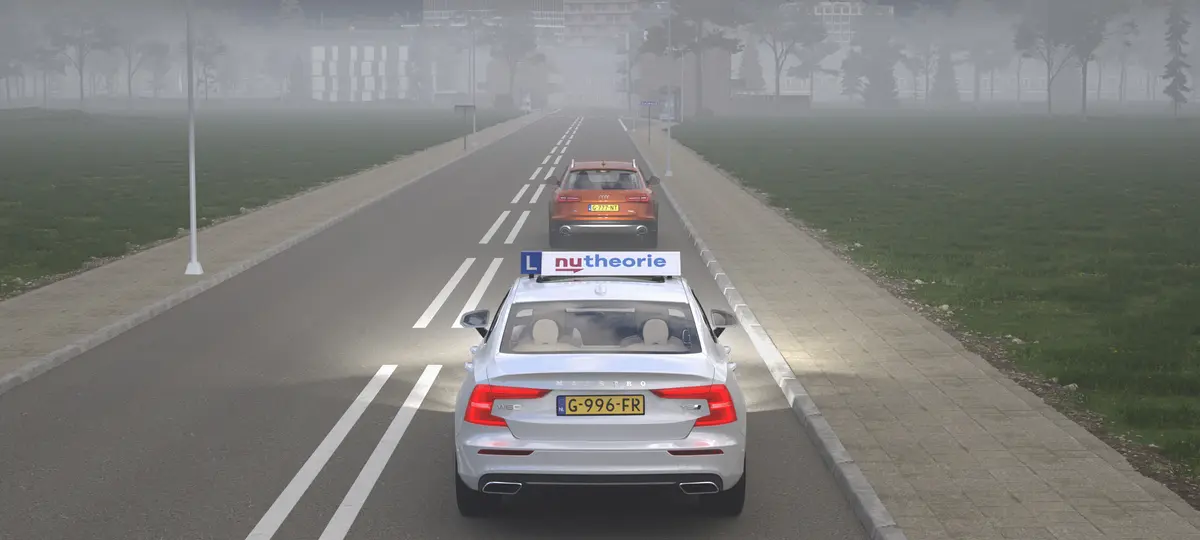
Environmental hazards include weather and road conditions that affect visibility and driving safety.
Examples:
- Fog, rain, or snow reducing visibility
- Glare from sunlight making it hard to see traffic signals
- Slippery roads due to ice or wet leaves
How to respond:
- Reduce speed and drive cautiously.
- Increase distance from the vehicle in front.
- Use fog lights or dipped headlights when necessary.
- Stay extra alert for pedestrians, cyclists, or other vehicles that may be hard to see.
Adapting your driving to environmental hazards is crucial for safety. Weather conditions can turn minor hazards into serious dangers if you are not prepared.
Behavior of Other Road Users
Other road users can create hazards based on their actions or mistakes.
Examples:
- Oncoming vehicles driving without lights at night
- Drivers not signaling lane changes
- Pedestrians crossing outside of designated crossings
How to respond:
- Be vigilant and anticipate unsafe actions.
- Use your horn or lights to alert others if necessary.
- Keep a safe distance and be ready to brake or maneuver.
- Avoid aggressive reactions; defensive driving is key.
Recognizing hazards in traffic includes predicting and reacting to the behavior of other road users. Defensive driving and situational awareness are essential for avoiding accidents.
How to Respond When You See Danger
When you identify a potential hazard, your response will depend on its immediacy and severity:
- Release the accelerator – Use when the danger is possible but not immediate. Slowing down gives you more time to react calmly.
- Brake – Use when a hazard appears suddenly or is close by. Braking promptly reduces the risk of collision.
- Keep driving – If the hazard is not real and conditions are safe, you can continue driving normally while staying alert.
Always adjust your speed and maintain a safe distance to give yourself enough time to react to hazards.
Practicing Hazard Recognition
To master recognizing hazards in traffic, practice is essential.
- Complete practice questions and mock exams.
- Use animated videos that simulate real traffic situations.
- Familiarize yourself with the multiple-choice style of the CBR exam.
Regular practice helps you recognize situations faster and increases your confidence for both the theory exam and real-world driving. Many driving courses, both in-person and online, include hazard perception exercises to prepare you effectively.
Conclusion
Recognizing hazards in traffic is vital for safe driving. By staying alert, anticipating potential dangers, and responding appropriately, you can prevent accidents and protect yourself, your passengers, and others on the road.
Whether you are a new driver preparing for your CBR theory exam or an experienced driver, continuous awareness and practice are key to mastering hazard perception. Learning to identify immediate, expected, environmental, and behavioral hazards ensures safer driving for everyone.


.jpg)