
Want to ride a scooter or moped in the Netherlands? Then passing the CBR scooter theory exam is your first essential step. It may look simple at first, but many students underestimate it and end up retaking the exam.

This complete guide explains everything you need to know: what the exam is, how it works, how to study effectively, common mistakes, and how to pass on your first try.
What Is the CBR Scooter Theory Exam?
The CBR scooter theory exam is an official test required to obtain your AM driving license in the Netherlands.
It checks whether you understand:
- Traffic rules and road signs
- Priority situations
- Safe behavior in traffic
- Hazard perception
- Scooter-specific traffic situations
The goal is simple: making sure you can safely participate in traffic before riding a scooter on your own.
Who Needs the Scooter Theory Exam?
You need to take the scooter theory exam if you want to ride:
- A scooter (bromfiets)
- A moped
- A speed pedelec
- Certain light motorized vehicles
You can usually take the theory exam from age 15.5, and you can get your license from age 16.
If you already hold a car or motorcycle license, you do not need to take it again.
What Does the Exam Look Like?
The scooter theory exam at the CBR consists of multiple-choice questions based on real traffic situations.
You will be tested on:
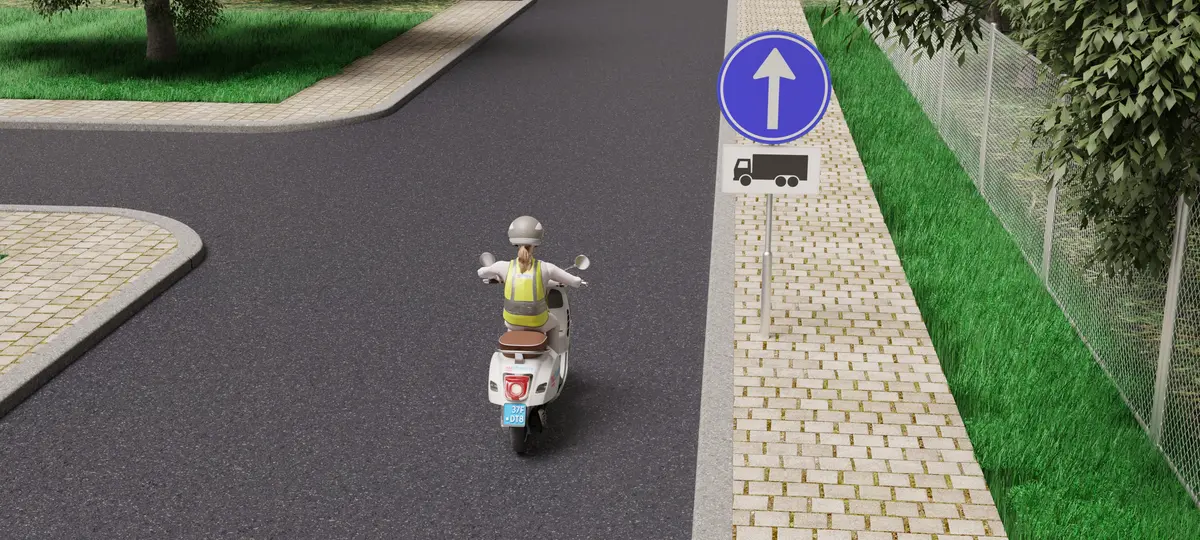
- Traffic signs and markings
- Right-of-way rules
- Dangerous situations
- Safe riding behavior
- Speed and stopping distance
- Road awareness
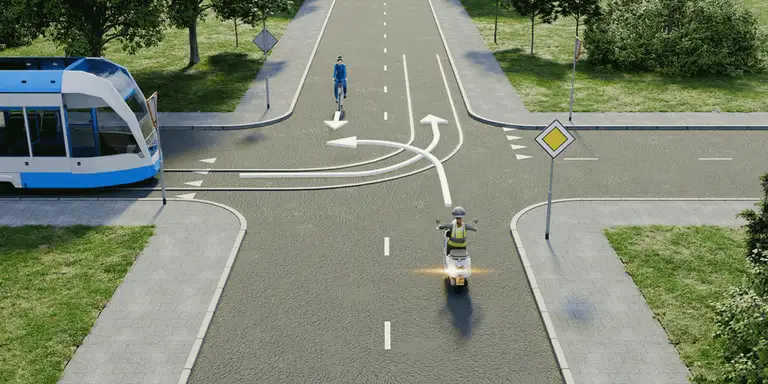
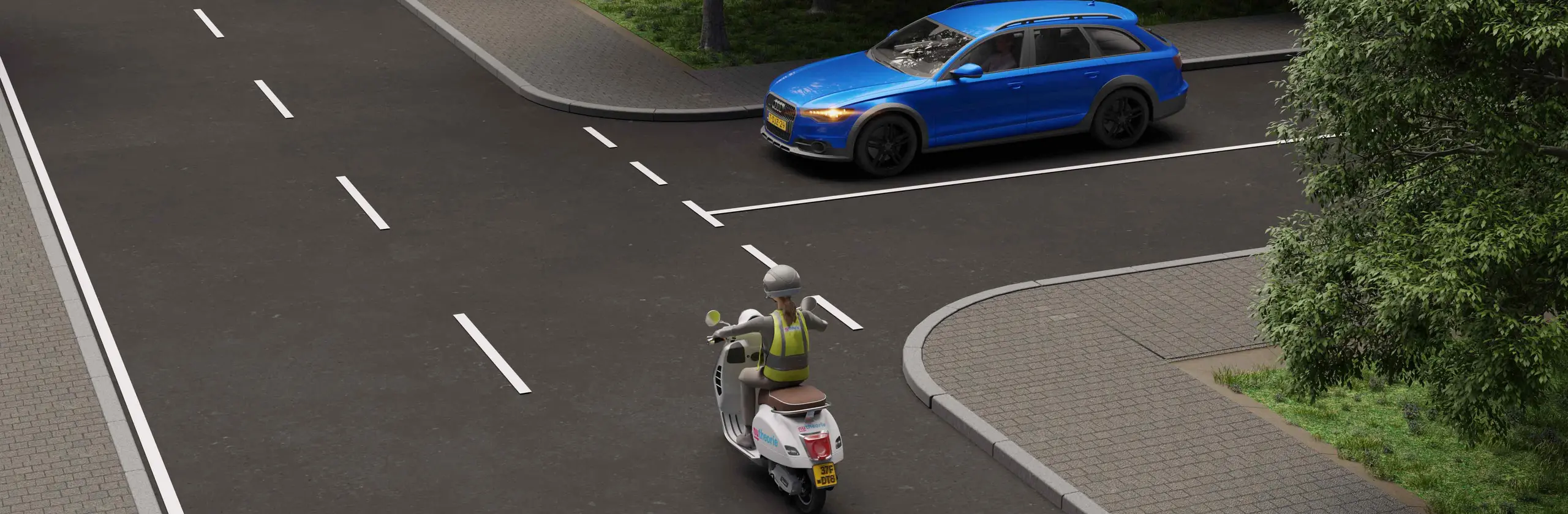
Many questions use images of real traffic scenarios where you must quickly decide what the correct action is.
The exam is not just about memorizing rules — it’s about understanding traffic.
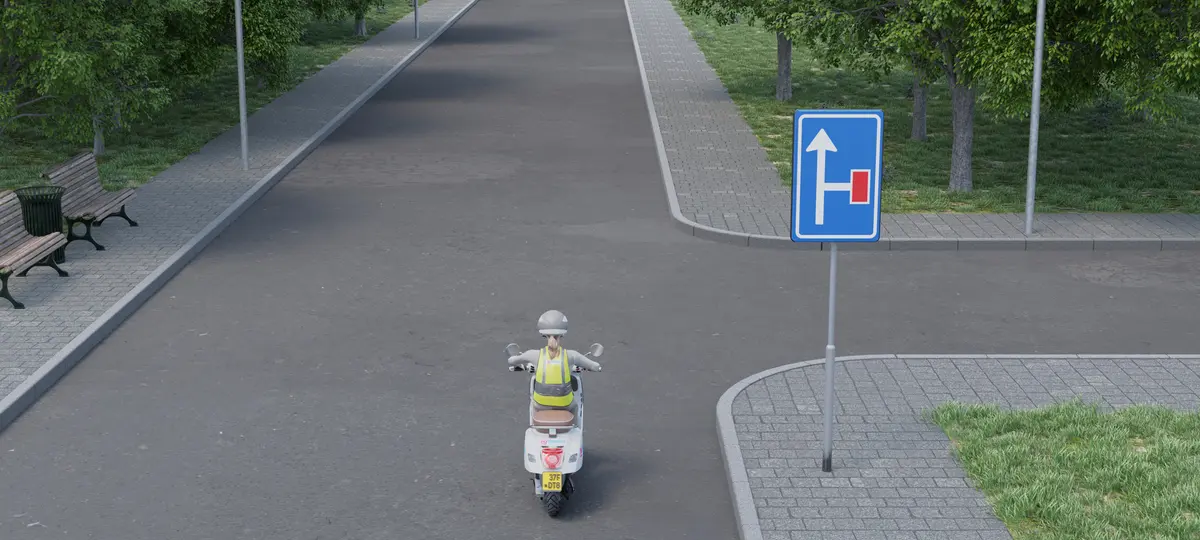
How Difficult Is the Scooter Theory Exam?
The difficulty depends on your preparation.
Most students struggle with:
- Priority rules
- Tricky scenario questions
- Time pressure
- Questions with multiple correct-looking answers
The exam is designed to test your insight, not just your memory. That’s why practice is so important.
With the right preparation, however, most students can pass on their first attempt.
How to Study for the Scooter Theory Exam
1. Learn the Theory Step by Step
Start with the basics:
- Road signs
- Priority rules
- Scooter rules in traffic
Don’t rush. Understanding is more important than speed.
2. Use Practice Exams Regularly
One of the best ways to prepare is by doing realistic mock exams.
This helps you:
- Recognize question patterns
- Improve decision-making speed
- Learn from mistakes
- Get used to exam pressure
The more you practice, the easier the real exam becomes.
3. Focus on Traffic Insight
Many questions are not about rules but about situations.
Ask yourself:
- What is the safest option here?
- Who has priority and why?
- What could go wrong in this situation?
This mindset is exactly what the CBR expects from you.
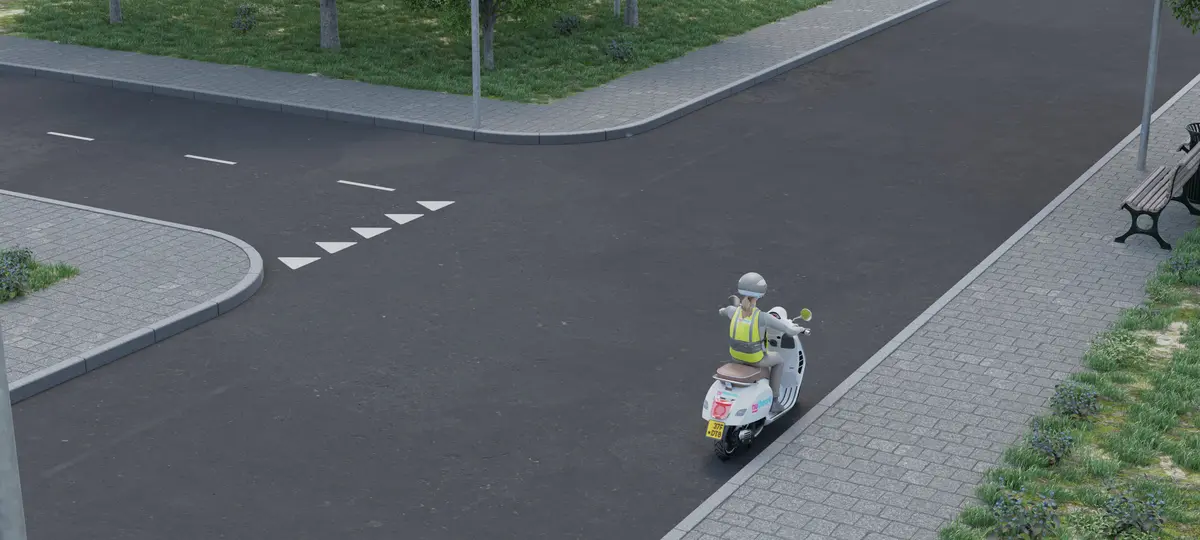
4. Use Videos and Visual Learning
Visual explanations make it easier to understand:
- Intersections
- Roundabouts
- Complex traffic situations
- Hazard perception
If you struggle with reading theory books, videos can make a big difference.
5. Study in Short Sessions
Instead of long study days:
- Study 30–45 minutes per session
- Repeat difficult topics
- Take breaks between sessions
This improves memory and focus.
Common Mistakes Students Make
Many students fail the CBR scooter theory exam not because they are incapable, but because they prepare the wrong way. Understanding the most common mistakes can help you avoid them and significantly improve your chances of passing on the first attempt.
1. Only Learning Theory Without Practicing
A very common mistake is studying only from a theory book or summary.
While learning is important, the actual exam focuses heavily on applying knowledge in traffic situations. Students who only learn theory often struggle when they face:
- Time pressure
- Complex intersections
- Priority questions
- Situational judgment questions
Practice exams train your brain to recognize patterns and think like the actual exam.
2. Memorizing Answers Instead of Understanding Traffic Rules
Some students try to memorize practice question answers without understanding the logic behind them.
This becomes a problem when the exam shows:
- Different road layouts
- New traffic situations
- Slightly changed question wording
The CBR exam is designed to test traffic insight, not just memory.
If you understand why a vehicle has priority or why a certain action is safer, you’ll perform much better on unfamiliar questions.
3. Underestimating Priority Rules
Priority situations are one of the biggest reasons students fail the scooter theory exam.
Many candidates confuse:
- Priority roads
- Right-before-left rules
- Shark teeth
- Roundabout priority
- Special vehicle priority
These questions often include multiple road users at the same time, making them more difficult under exam pressure.
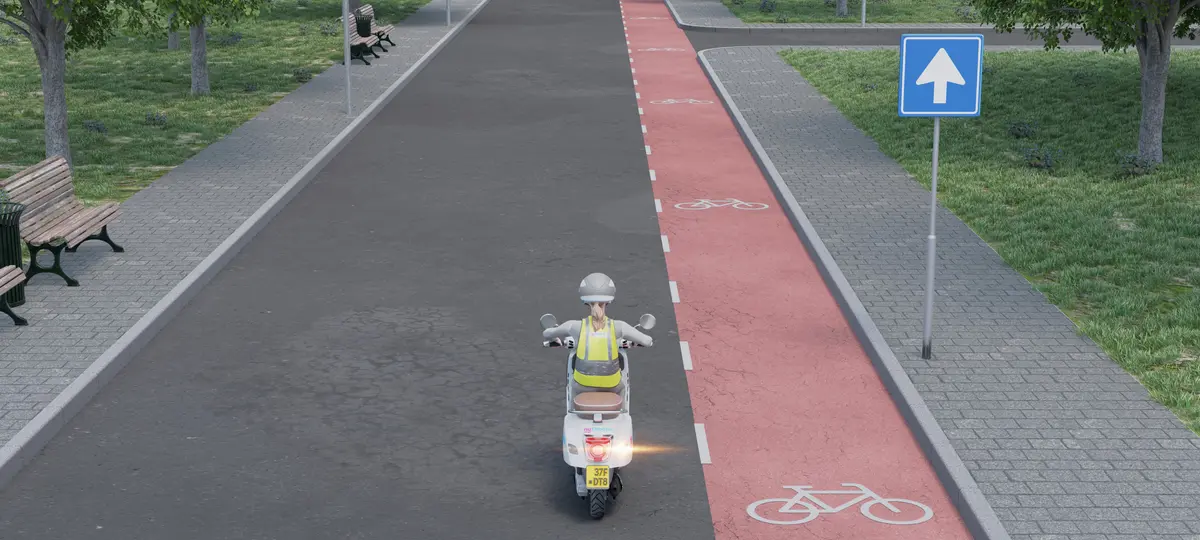
The best way to improve is by practicing many different priority scenarios repeatedly.
4. Not Studying Hazard Recognition Carefully
Hazard recognition is essential for safe scooter riding.
Scooter riders are more vulnerable in traffic than car drivers, which means you must quickly recognize dangerous situations such as:
- Cars changing lanes suddenly
- Pedestrians stepping onto the road
- Cyclists crossing unexpectedly
- Wet or slippery roads
Students who rush through these topics often make avoidable mistakes during the exam.
5. Practicing Too Little
Some students only take one or two mock exams before their real test.
That is usually not enough.
The more practice exams you complete, the more familiar you become with:
- Exam structure
- Question styles
- Common traps
- Time management
Repetition builds confidence and reduces stress during the real exam.
6. Ignoring Their Weak Topics
Many students continue practicing subjects they already understand while avoiding difficult topics.
This creates dangerous knowledge gaps.
The smartest approach is to focus extra attention on:
- Priority situations
- Traffic signs
- Insight questions
- Special traffic situations
Improving weak areas often increases your exam score the fastest.
7. Letting Stress Take Over During the Exam
Even students who studied well sometimes fail because of stress or panic.
Nervousness can cause:
- Misreading questions
- Rushing answers
- Doubting correct choices
- Losing concentration
Good preparation reduces stress significantly because you become familiar with the exam format and question types.
Taking enough practice exams beforehand helps many students stay calm and confident during the real test.
Tips to Pass on Your First Attempt
- Start preparing early
- Do daily practice questions
- Focus on priority situations
- Review every mistake carefully
- Take full mock exams regularly
- Stay calm during the test
Consistency is the key difference between passing and failing.
What Happens After You Pass?
Once you pass the CBR scooter theory exam, you can:
- Start practical scooter lessons
- Prepare for the practical exam
- Move toward getting your AM driving license
Your theory certificate is valid for a limited time, so it’s best to continue practicing soon after passing.

Is an Online Course Helpful?
For many students, yes. Online scooter theory courses can help you to:
- Learn faster with videos and an e-book
- Practice with many similar practice questions and mock exams
- Study anytime and anywhere
- Focus on your weak points
This is especially useful if you struggle with traditional theory books.
Final Thoughts
The CBR scooter theory exam is not just about memorizing rules — it’s about understanding traffic and making safe decisions. If you practice regularly, learn traffic insight, avoid common mistakes, and stay consistent, then passing on your first attempt becomes very realistic. Focus on understanding, not just memorizing — and you’ll be well on your way to getting your scooter license.
At Nutheorie, we support students with both a one-day theory course and an online theory course, so you can choose the learning style that fits you best and prepare in a way that truly increases your chances of passing.