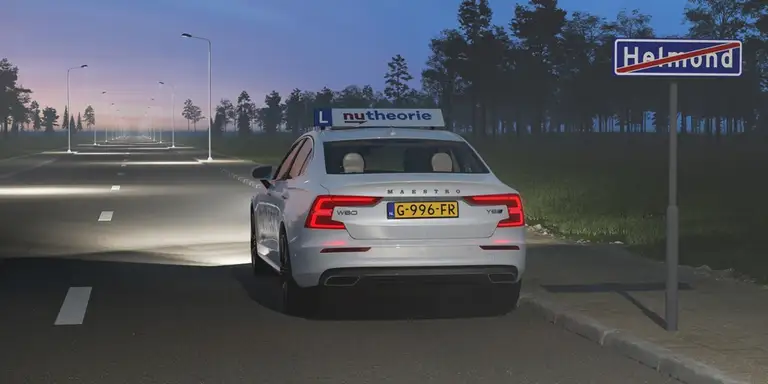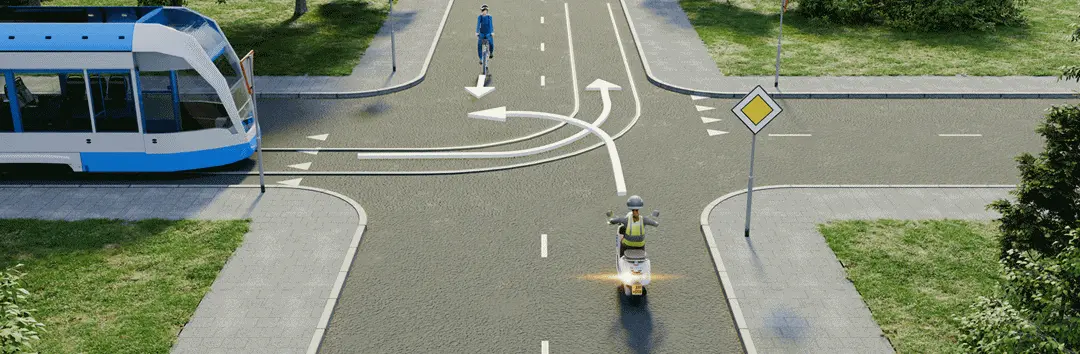

You know the rules, you have practised, and still you hesitate on the exam. Chances are you are looking at a trick question. The CBR does not set questions to fool you, but it does test whether you really read and look carefully. In this article you learn to recognise the best known trick questions and get a fixed approach for every difficult one.


What is a trick question?
A trick question (instinker) looks easier than it is. The trap often sits in a single word, a detail in the picture or an exception to a well known rule. If you read fast, you pick the answer that feels logical. If you read calmly, you see what the question is really about.
The 8 best known traps on the theory exam
1. Absolute words: always, never, only
Words like always, never and only make a statement very strict. Almost every traffic rule has an exception, so an answer with always or never is often wrong. Often, not always: so read the whole situation.
2. Must, may or is sensible
Must is an obligation, may is permission and is sensible is advice. If the CBR asks what you must do, choose the legal duty, not what feels polite or safe. If it asks what you may do, a ban is the wrong answer.
3. Negatives in the question
Which statement is not correct? What are you not allowed to do here? A negative turns the question around. So read the question twice and repeat it in your head before you choose.
4. Pedestrian or driver?
Many right of way rules only apply to drivers. A pedestrian from the right does not have right of way at an equal intersection, but a cyclist does. With every right of way question, first check who is a driver. All the rules are in our overview of the right of way rules. Why pedestrians cause so many mistakes is explained in right of way for pedestrians.

5. Details in the picture
The picture often tells you more than the question. Look for signs in the distance, shark teeth, an additional sign, a child playing behind a parked car or a cyclist in your mirror. Always view the photo from the driver's seat, because that is you.
6. Signs with an additional sign
An additional sign below can limit what a sign means, for example to certain times, vehicles or a distance. So always check whether something hangs below the sign. All signs are explained in traffic signs explained.
7. Numbers that look alike
Speeds, distances and alcohol limits can look alike. A well known one is alcohol: as a novice driver your limit is 0.2 per mille, after that it is 0.5 per mille. Learn numbers per situation, not as a loose list. Unsure about speeds? Read about the speed limits.
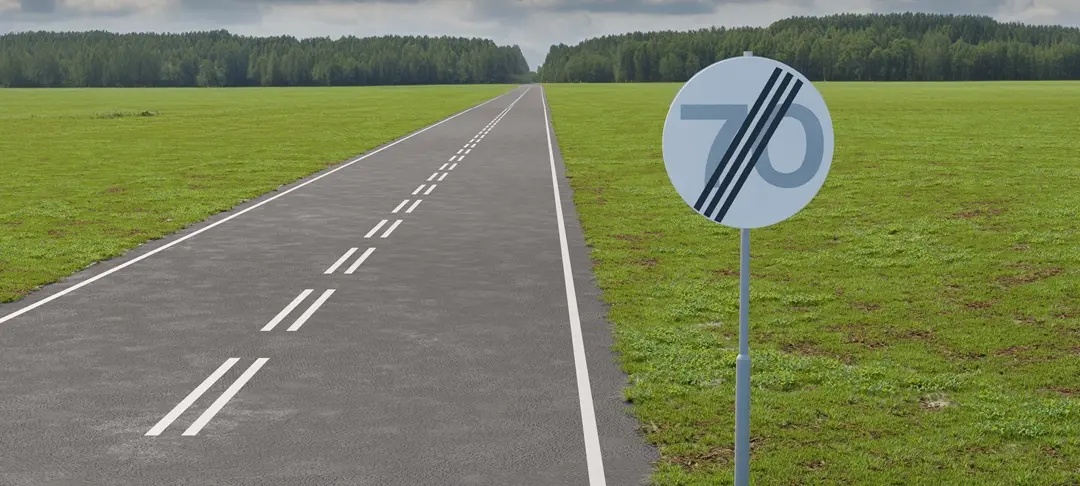
8. Hazard perception: brake, release the accelerator or nothing
In hazard perception you choose between braking, releasing the accelerator or nothing. Many candidates brake too quickly. Only brake when there is direct danger, release the accelerator when a possible hazard appears and choose nothing when your speed already suits the situation. How to spot hazards faster is in recognising hazards in traffic.
How to tackle every difficult question
When in doubt, use the same five steps:
- Read the whole question and watch for words like not, always, must and may.
- Look at the picture from your position as the driver.
- Decide which rule applies, and whether there is an exception.
- Cross out the answers that are definitely wrong.
- Choose the answer that fits the rule, not your gut feeling.
Do not get stuck on one question for too long. A calm pace helps you stay focused. Read more in our concentration tips for the theory exam.

Practise with real exam questions
You recognise trick questions fastest by seeing them often. So practise with our CBR practice exams and check why you fell for each mistake. Handy tricks to remember the rules are in our memory aids, and general study tips are in 10 tips to pass your theory exam. Want to learn every trap in one day? Take one of our English theory courses.