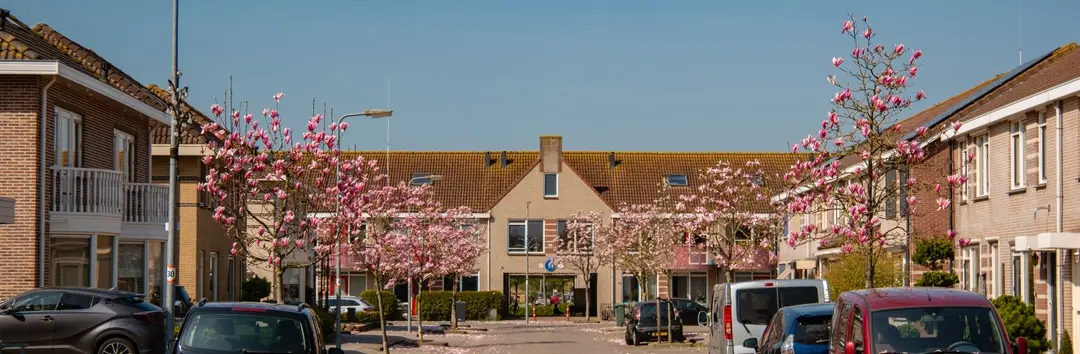

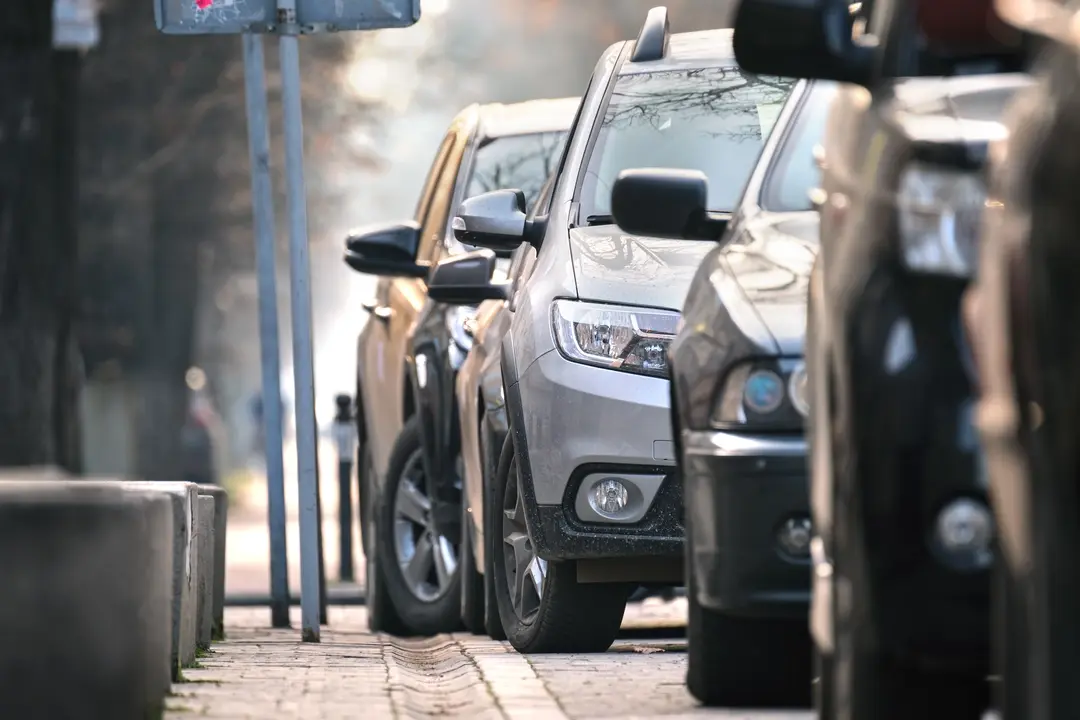
You see it all the time: a car parked with two wheels—or even the entire vehicle—on the sidewalk. It may seem like a convenient way to leave more space on the road, but is parking on the sidewalk actually allowed?

In most cases, the answer is simple: no. Under Dutch traffic laws, you are not allowed to park on the sidewalk unless it is explicitly permitted. However, there are a few exceptions. In this article, we'll explain what the law says, when it is allowed, and what the consequences of breaking the rules can be.
What Does the Law Say About Parking on the Sidewalk?
The sidewalk is intended for pedestrians. That's why, in the Netherlands, it is illegal to park a vehicle on the sidewalk unless traffic signs or road markings specifically allow it.
This rule is laid down in the Dutch Traffic Rules and Signs Regulations 1990 (RVV 1990). Parking on the sidewalk can obstruct pedestrians, people with strollers, and wheelchair users. It can also damage the pavement, which is not designed to support the weight of parked vehicles.
In short, parking on the sidewalk is not permitted unless there is clear authorization.
When Are You Allowed to Park on the Sidewalk?
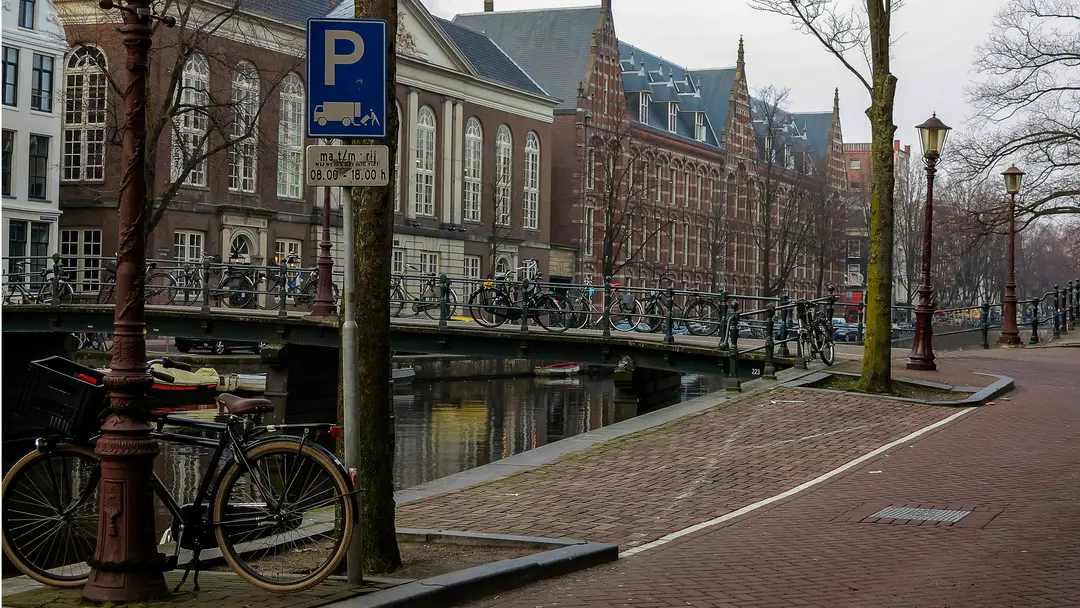
There are situations where municipalities allow vehicles to park partially or fully on the sidewalk. You can usually recognize these areas by:
- Traffic signs indicating that sidewalk parking is permitted.
- Parking bays that extend partially onto the sidewalk.
- Road markings clearly showing where vehicles may be parked.
If these features are present, you must park your vehicle completely within the designated parking space. Outside those marked areas, the normal parking rules apply.
Can You Park with Two Wheels on the Sidewalk?
Many drivers believe it's acceptable as long as only two wheels are on the sidewalk. This is a common misconception.
Even if only part of your vehicle is on the sidewalk, it is still considered parking on the sidewalk. Unless traffic signs or markings specifically allow it, this is also prohibited.
Is It Allowed to Stop Briefly on the Sidewalk?
Stopping and parking are two different things.
Stopping the car means halting briefly, for example to let passengers get in or out, or to load or unload goods immediately.
Parking means leaving your vehicle stationary for longer than is necessary for immediate boarding, alighting, loading, or unloading.
Even stopping briefly on the sidewalk is often prohibited if it obstructs pedestrians or creates an unsafe traffic situation.
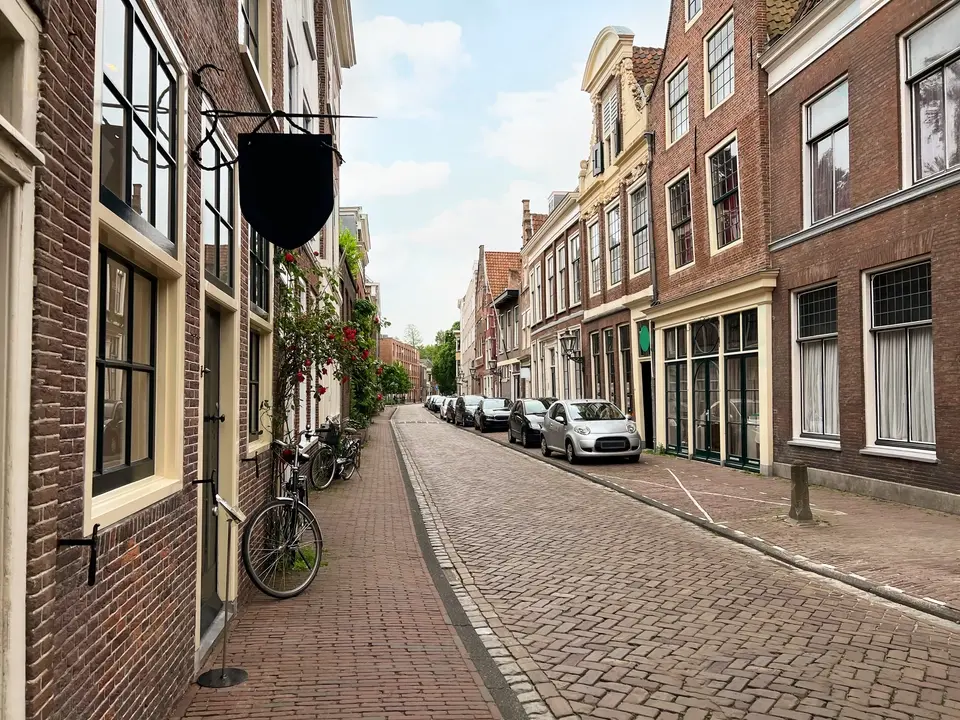
What Fine Can You Receive for Parking on the Sidewalk?
If you park on the sidewalk without permission, you may receive a fine. The amount of the fine is determined annually and may change from year to year.
In some cases, parking enforcement officers or the police may also decide to have your vehicle towed if it creates a dangerous situation or blocks access.
As a result, the total cost of the violation can become significantly higher.
Why Is Parking on the Sidewalk Prohibited?
The ban exists for several important reasons:
- Pedestrians must be able to use the sidewalk safely.
- Wheelchair users, people with walkers, and parents with strollers need enough space to pass.
- Visually impaired pedestrians must be able to move around without obstacles.
- Sidewalks are not designed to support the weight of vehicles.
- Emergency services need clear access when required.
Parking on the sidewalk often forces pedestrians to walk on the road, creating unnecessary safety risks.
How Can You Tell When It's Allowed?
Always check your surroundings before parking. Look for:
- Parking signs.
- Marked parking bays.
- Supplementary signs with additional instructions.
- Local municipal parking regulations.
If you're unsure, it's always safer to use a regular parking space. This helps you avoid fines while keeping sidewalks safe and accessible for everyone.
Conclusion
In almost all situations, parking on the sidewalk is prohibited. You may only park partially or fully on the sidewalk if traffic signs or designated parking spaces clearly allow it. Always check the traffic situation before leaving your vehicle to avoid fines and help keep public spaces safe and accessible.


.webp)