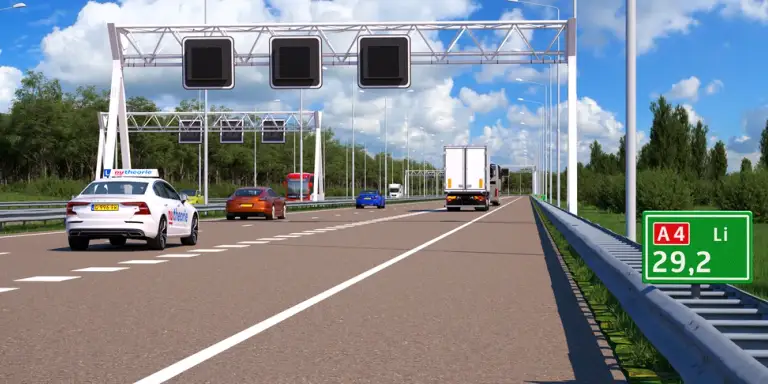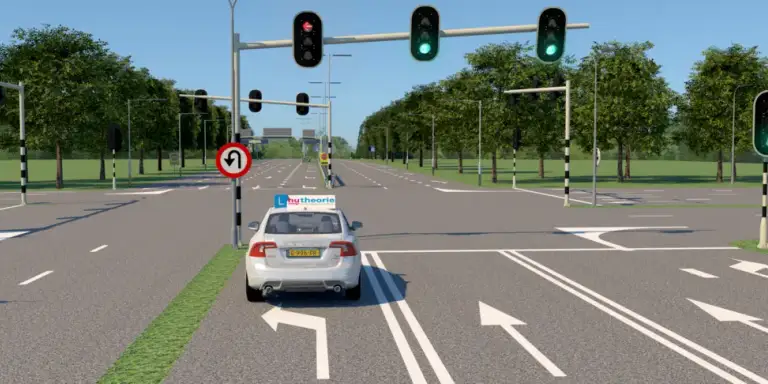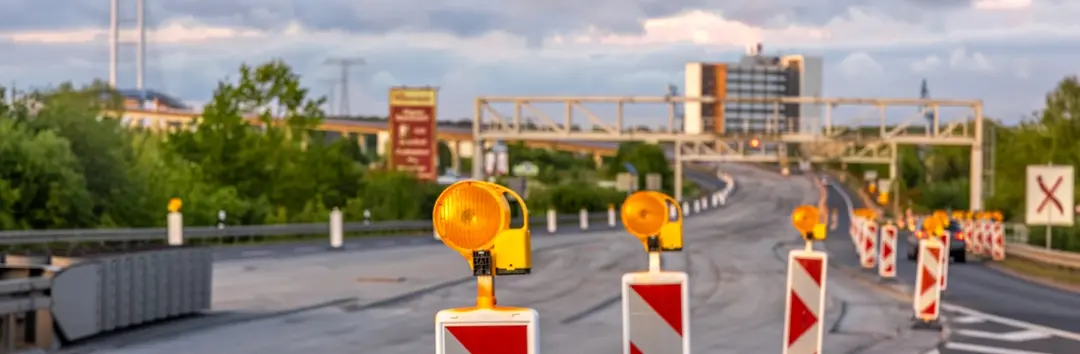

Roadworks are a normal part of driving. Roads are resurfaced, lanes are closed, junctions are changed and temporary traffic measures are put in place to keep traffic moving while work is carried out. For drivers, however, these changes can make a familiar route feel completely different.

Temporary road layouts require more attention than usual. You may suddenly have fewer lanes, narrower carriageways, temporary traffic lights or a different route to follow. If you are not prepared for these changes, it is easy to react too late or make a costly mistake.
So how can you stay safe when driving through roadworks? With a little preparation, careful observation and the right approach to temporary traffic situations, you can reduce the risk of accidents, fines and unnecessary stress.
Prepare for roadworks before you leave
If you know that roadworks are taking place along your route, check the traffic situation before setting off. Look for expected delays, road closures and diversions, and allow some extra travel time if necessary.
You can check current roadworks and traffic information online, for example through VanAnaarBeter.
Planning ahead can make a big difference. If you know that your normal route has changed, you are less likely to be surprised when you reach the work zone. It also reduces the temptation to make a last-minute lane change or take an unexpected turn because you are unsure where to go.
However, your preparation does not replace paying attention on the road. Temporary traffic arrangements can change, so always follow the signs and instructions you encounter during your journey.
Slow down and pay attention to temporary signs
Roadworks often mean that the normal traffic situation has temporarily changed. A lane may be closed, the speed limit may be lower, or traffic may be directed along a different route.
Temporary traffic signs are there to guide you through these changes. Pay attention to them and do not simply rely on what you normally expect on that road.
Your speed is particularly important. A work zone can contain narrow lanes, barriers, uneven road surfaces, construction vehicles and workers close to moving traffic. A lower speed gives you more time to recognise what is happening and respond safely.
Keep a safe distance from the vehicle in front as well. Traffic can slow down unexpectedly when lanes merge or when drivers have to adjust to a new road layout.
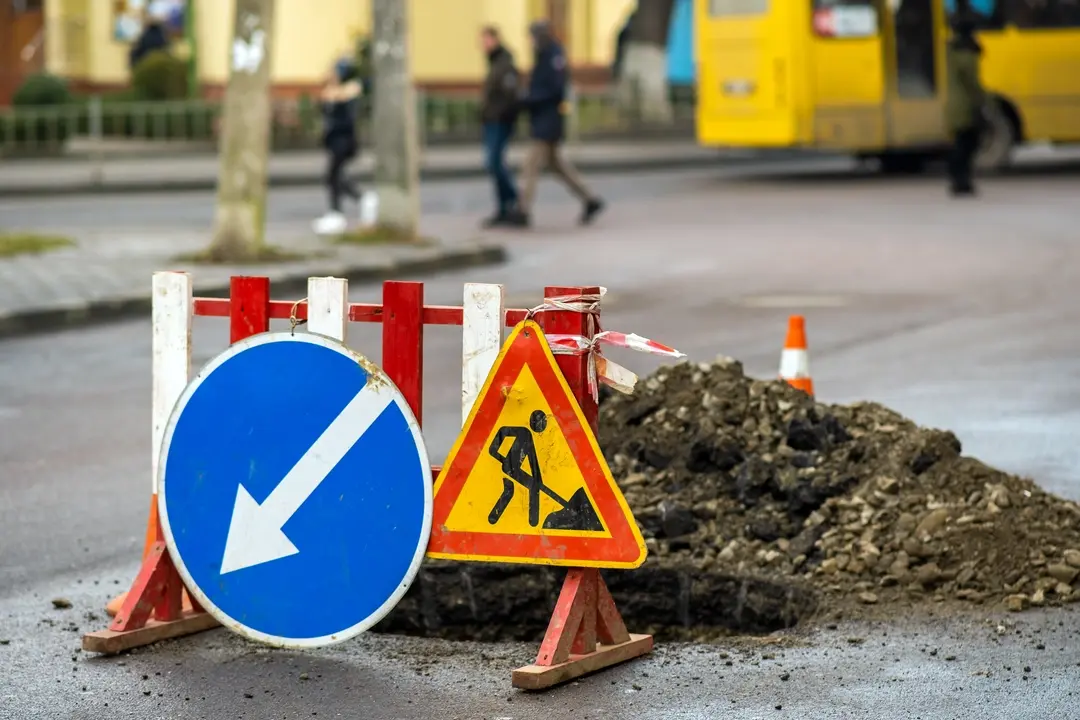
Look ahead instead of reacting at the last moment
One of the easiest mistakes to make around roadworks is waiting too long to react.
For example, you may suddenly see that your lane is closed ahead. If you only notice the sign at the last moment, you may be tempted to brake sharply or move into another lane without enough time to do so safely.
Instead, look well ahead and anticipate changes in the road. If a lane is going to close, start preparing early. Check your mirrors, indicate when appropriate and change lanes only when it is safe to do so.
The same applies to diversions. If the route changes, avoid making sudden manoeuvres because you are trying to follow your navigation system. The temporary road signs and directions take priority, so give yourself enough time to understand where you need to go.
Give road workers extra space
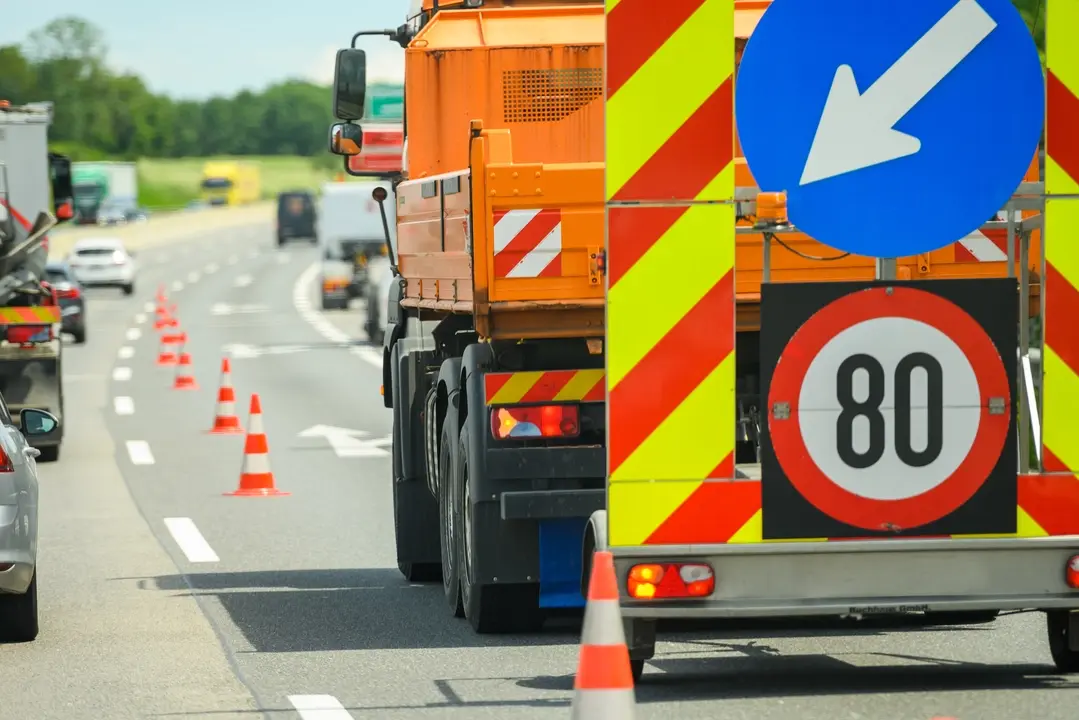
Roadworks are not only about cones and barriers. There may also be people working close to the traffic lane.
Road workers can be working in limited space and may have to move equipment or vehicles near the road. This makes it particularly important to drive carefully through work zones, even when the road appears quiet.
Watch for:
- road workers close to the carriageway;
- construction vehicles entering or leaving the work zone;
- temporary barriers and cones;
- narrowed or shifted lanes;
- uneven or changing road surfaces;
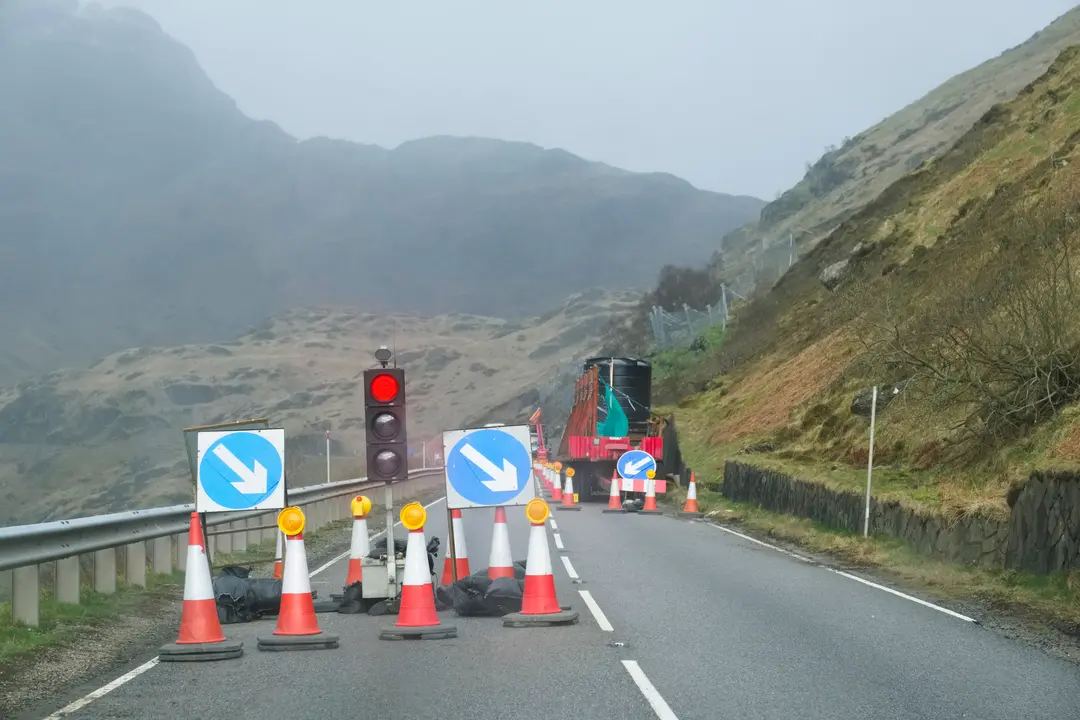
- temporary traffic lights.
Do not assume that a work zone is safe simply because you cannot immediately see anyone working. Conditions can change quickly, so stay alert until you have completely passed the area.
Avoid these common mistakes
Many problems around roadworks happen because drivers are surprised by a temporary change or try to continue driving as if the road layout were still the same.
Common mistakes include driving too fast through a work zone, leaving too little following distance or changing lanes at the last possible moment. Ignoring temporary signs or instructions from traffic controllers can also create dangerous situations.
Another common problem is becoming too focused on navigation. When a familiar route suddenly changes, drivers may concentrate on finding the new route instead of paying enough attention to the road around them.
To reduce the risk of mistakes, keep your attention on the traffic situation first. If you miss a turn or take the wrong route, it is usually safer to continue and find another way than to make a sudden manoeuvre to correct the mistake.
Follow traffic controllers and temporary signals
In some roadworks, traffic controllers are used to direct drivers through the work zone. Their instructions can be different from what you would normally expect based on the permanent road layout.
Pay attention to their directions and to temporary traffic lights or other signals. Do not assume that the usual priority rules or road layout still apply when temporary measures are in place.
If you are unsure about what is happening ahead, reduce your speed and give yourself more time to assess the situation rather than reacting suddenly.
Don't let time pressure affect your driving
Roadworks can add several minutes to your journey, and unexpected delays can be frustrating. However, trying to make up for lost time can increase the risk of mistakes.
Avoid speeding through a work zone or making unnecessary overtaking and lane changes simply because you are running late. The temporary speed limit and other traffic measures are there for a reason.
It is better to arrive a few minutes later than to create a dangerous situation for yourself, other road users or road workers.
What if you miss the diversion?
It can happen. You may be unfamiliar with the area, miss a temporary sign or realise too late that you were supposed to take a different route.
The safest response is to stay calm. Do not suddenly reverse, stop in an unsuitable place or make an illegal turn simply to get back onto the diversion.
Continue driving safely and follow the road until you can find a suitable and safe way to adjust your route. If you are using navigation, let it recalculate rather than trying to correct your mistake immediately.
Safe driving matters more than arriving on time
Driving through roadworks requires a little more attention than driving along a familiar, unchanged route. Temporary signs, reduced speed limits, narrowed lanes and unexpected traffic movements can all change the situation around you.
The best approach is to prepare before you leave, look well ahead and adapt your driving to the temporary road layout. Give road workers plenty of space, keep a safe following distance and avoid last-minute manoeuvres.
Most importantly, do not let an unexpected diversion or delay make you rush. Roadworks are temporary, but the consequences of an unsafe decision can last much longer. By staying calm and paying attention, you can get through the work zone safely and continue your journey with fewer unnecessary problems.