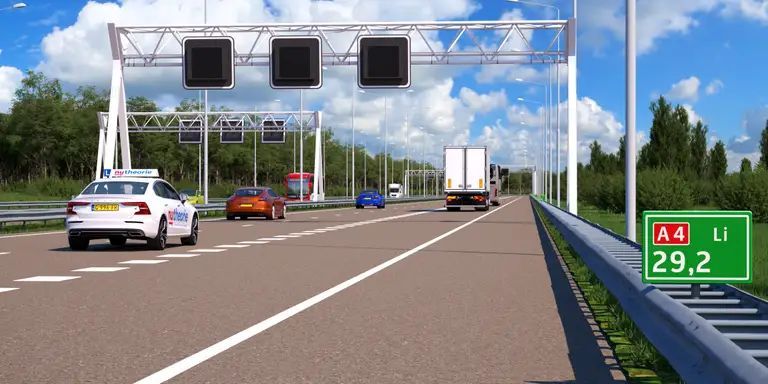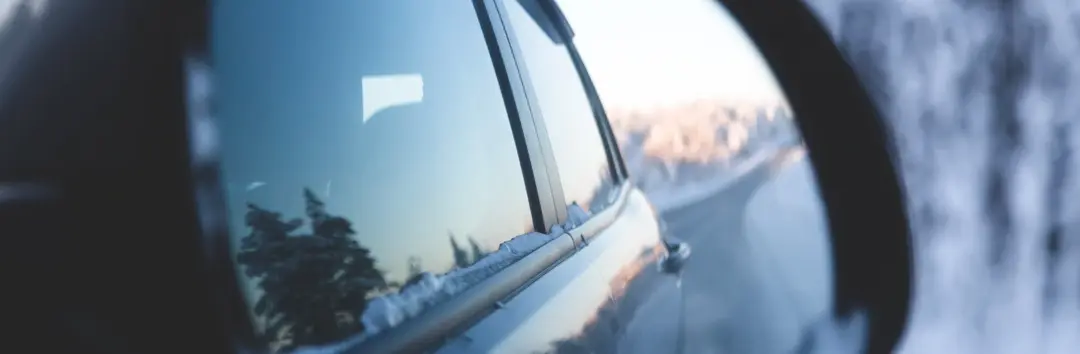

Good observation is an essential part of safe driving. However, it is something many candidates struggle with during their practical driving test. For example, they may not check their mirrors often enough, forget to check their blind spots or perform their shoulder checks at the wrong moment. Exam nerves can make it particularly easy to forget these important actions.

Using your mirrors involves more than occasionally checking what is happening behind you. You need to be aware of what is happening all around your car so that you can react to other road users and changing traffic situations in time. But exactly when should you check each mirror? And when do you need to look over your shoulder? In this article, we explain how to use your mirrors correctly while driving.
Why Is Good Observation So Important?
Traffic situations are constantly changing while you drive. Cars may approach from behind, cyclists may be riding alongside you or pedestrians may suddenly cross the road. By checking your mirrors regularly, you can keep track of the traffic around your car and anticipate potential hazards more effectively.
During your practical driving test, it is particularly important to demonstrate that you can participate in traffic safely and independently. Looking straight ahead is not enough. The examiner pays attention to whether you check your surroundings at the right moments and adjust your driving accordingly.
Many candidates make the mistake of focusing mainly on the road ahead because they are nervous. As a result, they forget to check their interior mirror, exterior mirrors or blind spots. Good observation should therefore become a regular part of your driving routine. This way, you will not have to consciously think about every observation check during your test.
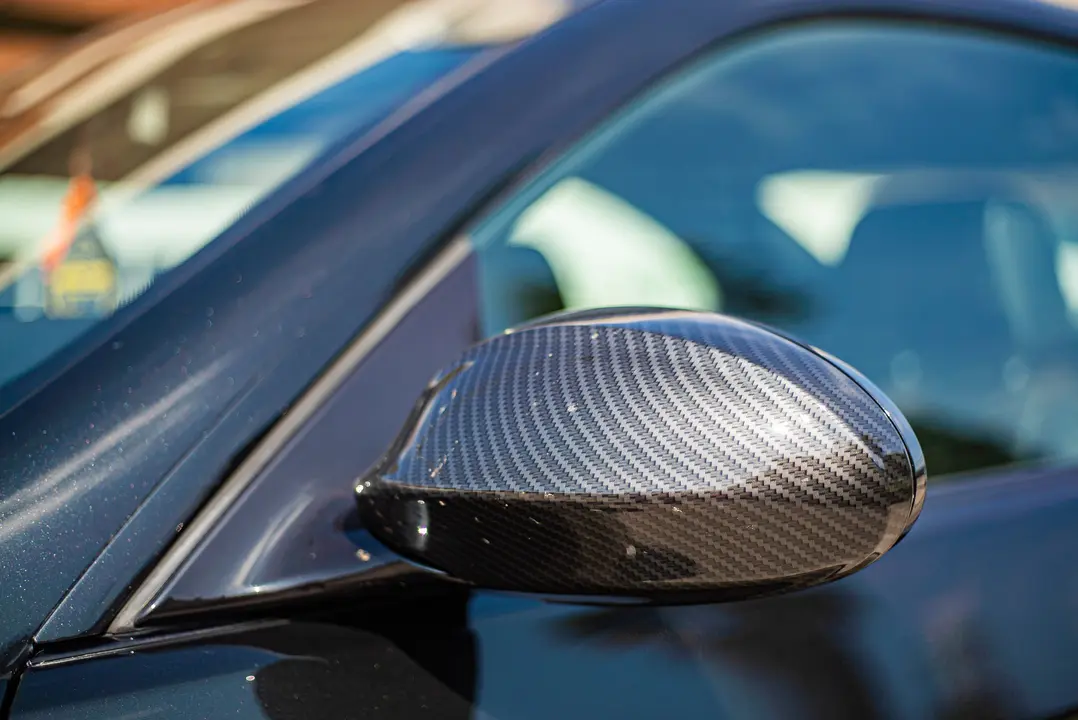
The Correct Order: Interior Mirror, Exterior Mirror and Blind Spot
Whenever you move sideways or change direction, you must first check whether it is safe to carry out the manoeuvre. You do this by using your mirrors and, when necessary, checking your blind spot. The order in which you look is important.
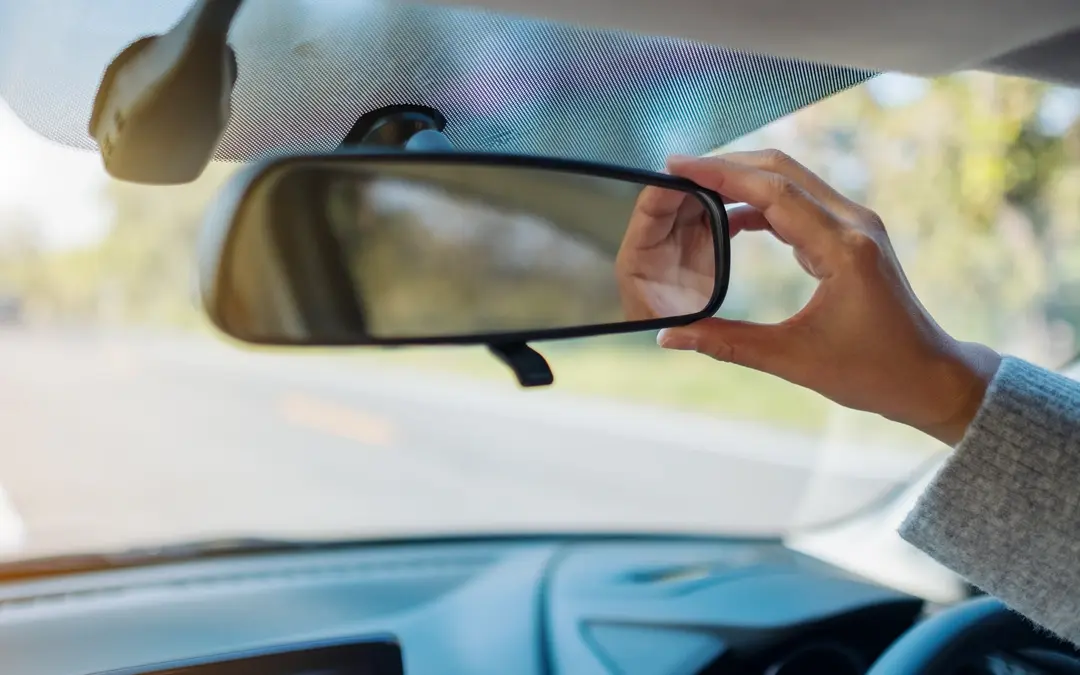
- Interior mirror: First, check your interior mirror to see what is happening behind you. Pay attention to the distance and speed of approaching traffic. This helps you determine whether it is safe to slow down or change lanes, for example.
- Exterior mirror: Next, check the left or right exterior mirror, depending on which direction you intend to move. This allows you to assess the traffic alongside and diagonally behind your car.
- Blind spot: Finally, check your blind spot by briefly looking over your shoulder. Looking through the rear side window allows you to see other road users who may not be visible in your mirrors.
Only after checking that the situation is safe should you activate your indicator. Your indicator informs other road users of your intentions, but it does not automatically give you priority or mean that the manoeuvre is safe to carry out.
Using Your Mirrors When Driving Straight Ahead
Even when you are simply driving straight ahead, it is important to check your mirrors regularly. After all, you need to know not only what is happening in front of you but also what other road users are doing behind and alongside your car.
You should mainly look well ahead, towards the horizon. This allows you to recognise the road layout, traffic signs, approaching junctions and potential obstacles early. Alternate this with brief checks of your interior and exterior mirrors. As a general guideline, you can check your mirrors approximately every five to eight seconds, depending on the traffic situation.
Remember not to take your eyes off the road ahead for too long. Mirror checks should be brief and purposeful. This helps you maintain an overview of your surroundings without missing important developments in front of you.
Observation at Junctions and When Turning
When approaching a junction, you must also be aware of the traffic behind you. This is particularly important when you need to adjust your speed. Check your interior mirror before releasing the accelerator or applying the brakes. This helps you determine whether a vehicle is following closely behind.
Are you turning left or right? First, check your interior mirror, followed by the exterior mirror on the side you intend to turn towards, and then the corresponding blind spot. If the situation is safe, activate your indicator.
Just before making the turn, look over your shoulder once again. This allows you to check whether cyclists, moped riders or other road users are travelling alongside you and intend to continue straight ahead. This is particularly important when turning right, as cyclists may easily be positioned alongside your car.
Remember that you must also keep an eye on traffic at the junction and any pedestrians who may be crossing. Your observation should always take the entire traffic situation into account.
Using Your Mirrors on Roundabouts
Good observation is essential when approaching and navigating a roundabout. As you approach, look ahead to assess whether there is traffic on the roundabout and whether you can safely enter. Pay attention to the approaching traffic and adjust your speed if necessary.
Before entering the roundabout, check your mirrors to see what the traffic behind and alongside you is doing. Then pay close attention to the traffic already on the roundabout and determine when it is safe to enter.
When you are preparing to leave the roundabout, it is important to check your surroundings again. Look in your interior mirror and right exterior mirror, and check your right blind spot by looking over your right shoulder. This helps you identify cyclists on the cycle path who may be continuing straight ahead while you are leaving the roundabout.
Observation When Joining and Leaving the Motorway
On motorways, you often need to change lanes. This makes it particularly important to use your mirrors at the right moments.
Joining the motorway
When you enter the slip road, look ahead as early as possible and check your left exterior mirror. This helps you identify a suitable gap in the traffic. Next, adjust your speed so that you can merge smoothly with the traffic on the motorway.
Before actually changing lanes, check your left blind spot by looking over your left shoulder. This ensures that there is no vehicle alongside you that you cannot see in your mirrors. Once there is sufficient space, you can safely merge.
Leaving the motorway
When leaving the motorway, you should also start checking your surroundings well in advance. Approximately 300 metres before the exit, check your interior mirror, right exterior mirror and right blind spot. Then activate your indicator to show that you intend to leave the motorway.
Before moving onto the exit lane, check your right exterior mirror and blind spot again. This helps prevent you from overlooking a vehicle travelling alongside you.
Common Mistakes When Using Your Mirrors
Although observation techniques may seem straightforward in theory, they are often performed incorrectly while driving. Particularly during the practical driving test, small mistakes in your observation can have serious consequences.
1. Moving your head excessively from side to side
Some candidates move their heads noticeably to show the examiner that they are checking their surroundings. However, it is not about how much you move your head, but what you actually observe. A brief, focused glance at the right moment is much more important than exaggerated head movements.
2. Braking before checking the interior mirror
Before slowing down, you need to know what is happening behind you. Therefore, check your interior mirror first so that you can judge how closely the vehicle behind you is following. If you only look after pressing the brake pedal, you have missed the opportunity to anticipate the situation.
3. Checking your blind spot too late
Another common mistake is performing the shoulder check at the wrong moment. Some candidates only look over their shoulder when the car is already partly in the next lane or when they have already started turning. At that point, the check is of little use. You should check your blind spot before beginning the lateral movement or manoeuvre.
4. Forgetting to check your mirrors regularly
Candidates sometimes forget to use their mirrors, particularly when driving straight ahead for longer periods. They focus entirely on the traffic in front of them and lose awareness of what is happening behind or alongside their car. Make brief mirror checks a regular part of your driving routine.
Using Your Mirrors While Driving Comes with Practice
Using your mirrors correctly is an important part of driving safely and independently. By regularly checking your surroundings, you stay aware of what is happening around your car and can anticipate other road users more effectively.
During your driving lessons, make a conscious effort to practise the correct observation sequence. Check your mirrors before slowing down, changing lanes or turning, and never forget to check your blind spots. It is important not only to perform the physical movement of looking but also to register what you see and adjust your driving accordingly.
Ultimately, good observation should become a natural part of your driving habits. This will not only help you feel better prepared for your practical driving test but also allow you to drive more safely once you have obtained your driving licence.