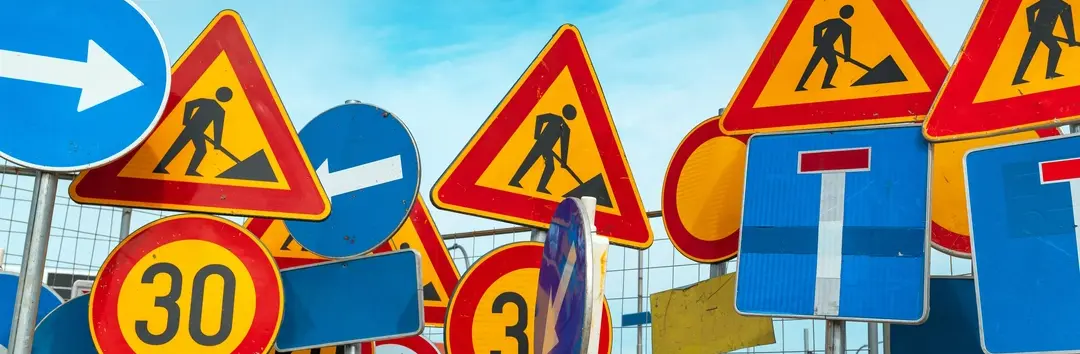

You mainly encounter temporary traffic signs when the normal traffic situation changes. This can happen during roadworks, events, temporary road closures or changes to traffic routes. Temporary signs inform road users about what has changed and what they need to do.

Many temporary traffic signs stand out because of their yellow colour. This makes them easy to see among regular traffic signs and helps attract the attention of drivers, cyclists and other road users. This gives them time to adjust their speed, route or driving behaviour.
But what exactly do these temporary traffic measures mean? And what should you do when you encounter them on the road?
Why Are Temporary Traffic Signs Necessary?
A traffic situation can temporarily change because of roadworks, for example. A lane may be closed, a road may temporarily be inaccessible, or traffic may need to follow a different route.
Temporary traffic signs make these changes clear. They indicate where you can or cannot drive, warn you about changed circumstances or direct you along a diversion route.
It is important to always take temporary signs seriously. The traffic situation may be different from what you are used to. A route that you normally drive without any problems may suddenly be closed due to roadworks or have a different lane layout.
Following Diversion Routes
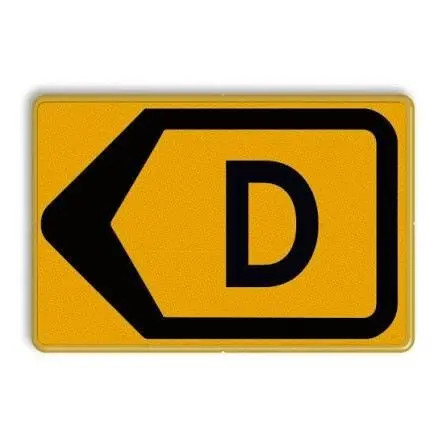
A common temporary traffic measure is a diversion. When a road is temporarily closed, traffic is often directed along an alternative route around the closure.
Diversion routes are identified by yellow signs with a letter, such as D. If you see a sign with the letter D, you should then follow the yellow signs with the same letter. This lets you know that you are following the correct diversion route.
Several diversion routes can be active in the same area. This is why different routes are given different letters. It is important not to simply choose another route, but to continue following the letter assigned to your diversion.
Even if you know the area well, you may be tempted to find an alternative route yourself. However, this can cause additional confusion because the temporary traffic situation often takes road closures, changed traffic directions and roadworks into account. Therefore, follow the indicated diversion route.
Extra Warnings During Roadworks
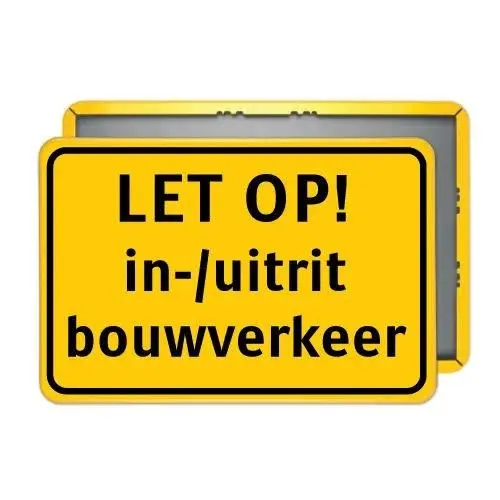
Temporary traffic signs are not only used to indicate diversions. They can also be used to warn road users about unusual or unexpected traffic situations.
One example is a temporary entrance or exit for construction traffic. During roadworks, lorries and other large vehicles may enter or leave a construction site. This traffic can appear unexpectedly on the road or may temporarily need additional space.
By clearly warning road users about this in advance, they have more time to reduce their speed and take construction traffic into account. If you see these types of warnings, pay extra attention to your surroundings and adjust your driving accordingly.
The Arrow Truck: An Extra Warning on the Road
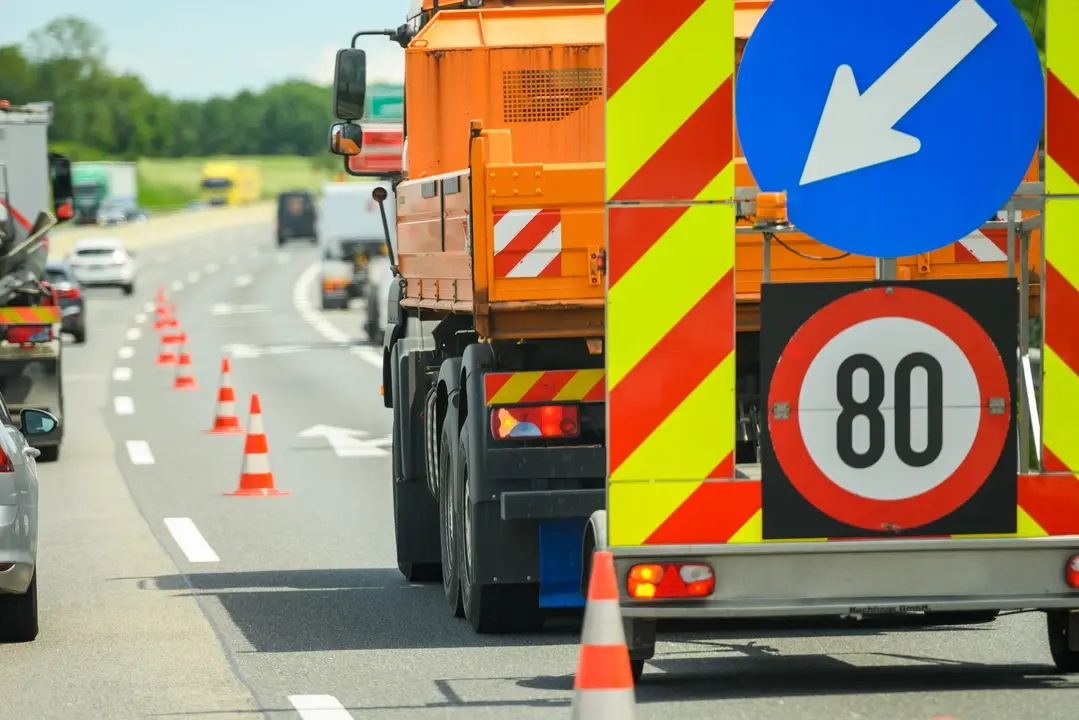
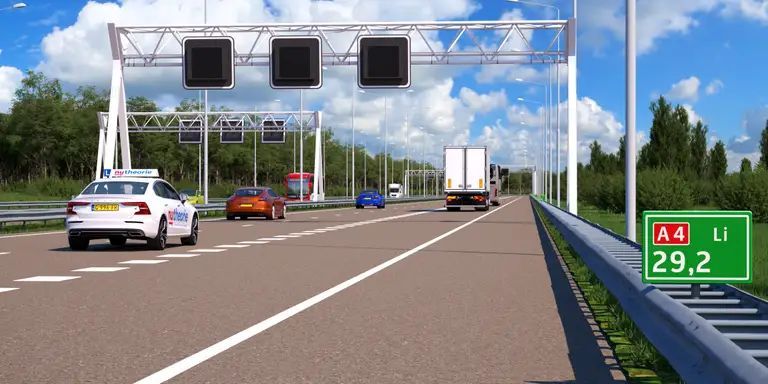
If you regularly drive on motorways, you have probably seen an arrow truck before. This highly visible vehicle is used during roadworks and road closures, among other situations.
The large, illuminated arrow indicates that the traffic situation further ahead is changing. For example, a lane may be closed, meaning that drivers need to move to another lane.
An arrow truck is therefore a clear signal to be extra alert. Pay close attention to the indicated direction, keep a sufficient distance and adjust your speed in good time. Do not wait until the last moment to leave a lane when it is clear that the lane is going to be closed.
This is especially important on busy roads and motorways. Roadworks often take place directly alongside moving traffic, making road workers vulnerable. By responding calmly to the indicated traffic measures, you can reduce the risk of dangerous situations.
What Should You Do When the Traffic Situation Temporarily Changes?
When you encounter temporary traffic signs or other traffic measures, it is especially important to keep paying close attention. The normal traffic situation may temporarily be different from what you are used to.
Keep the following points in mind:
- Pay close attention to temporary signs. Yellow signs can provide important information about changes to the traffic situation.
- Follow an indicated diversion. If you see a letter, continue following the signs with the same letter.
- Adjust your speed. Roadworks, narrowed roads and unexpected traffic movements often require extra caution.
- Keep a sufficient distance. This gives you more time to react if traffic suddenly slows down.
- Watch out for road workers and construction traffic. They may be working or driving close to or on the road.
- Merge or change lanes in good time. Do not wait until you are directly in front of a road closure if you can respond earlier.
Even when you are in a hurry, it is important not to ignore temporary traffic measures. They are put in place to guide traffic safely through a changed situation.
Pay Close Attention to Temporary Traffic Measures
Temporary traffic signs, diversion routes and arrow trucks help road users understand what changes when the normal traffic situation is temporarily adjusted. They can make a significant difference to safety and traffic flow, particularly during roadworks and road closures.
When you see a yellow traffic sign, pay close attention to what it indicates and follow the designated route. If you encounter an arrow truck, reduce your speed in good time, keep a sufficient distance and follow the indicated direction.
By staying alert and adjusting your driving to the situation, you help not only yourself get to your destination safely, but also road workers and other road users.