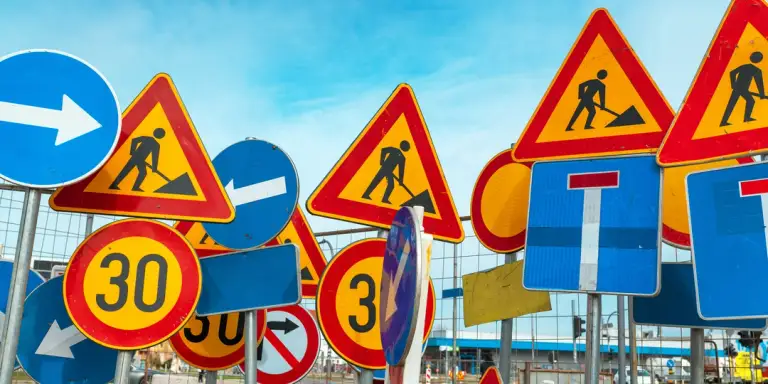

When driving, you come across all kinds of road signs. Some signs warn you about danger, while others indicate what you can or cannot do. Information road signs have a different function: they provide you with important information about the road, your surroundings and what you can expect further ahead.

But which information road signs might you encounter, and why is it important to recognise them correctly?
What Are Information Road Signs?
Information road signs provide practical information about the road and your surroundings. For example, they can indicate where to find a car park, petrol station or hospital. They can also provide information about the road you are driving on, such as the start of a one-way road.
Unlike prohibition and mandatory signs, information signs usually do not directly tell you what you can or cannot do. Instead, they help you understand the traffic situation and make the right decisions in time.
By recognising these signs early, you know what to expect along the road. This makes it easier to respond calmly and adjust your driving accordingly.
Which Information Road Signs Might You Encounter?
There are various information road signs you may encounter while driving. Some direct you towards important facilities, while others tell you how the road or traffic situation is arranged.
Here are a few examples:
Car Park
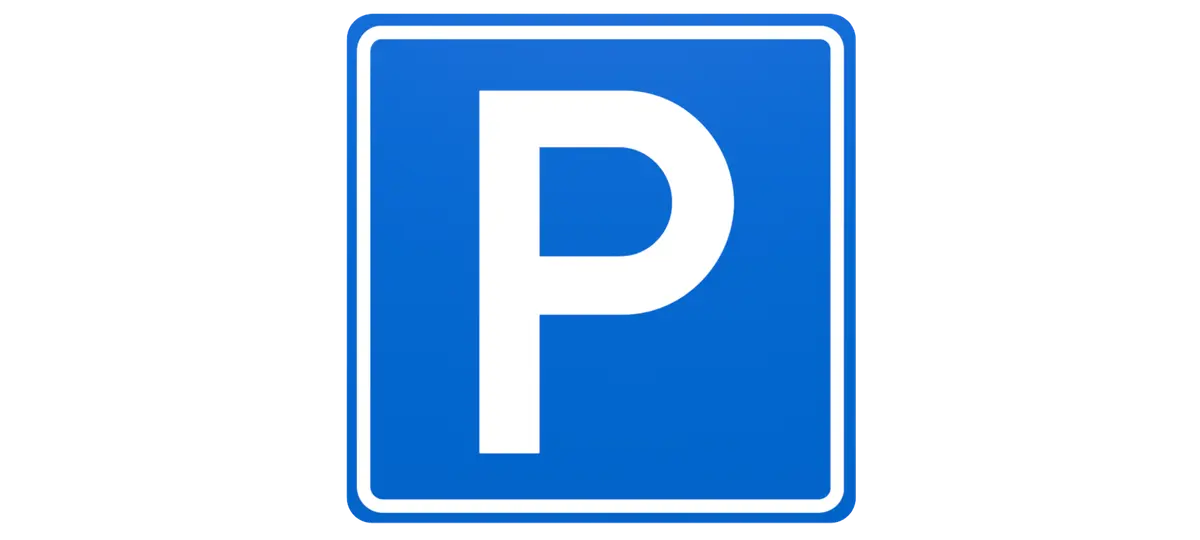
A parking sign indicates that a car park is available. You can usually recognise this sign by the large letter P.
Seeing a parking sign does not automatically mean that you can park freely everywhere around the sign. Additional road signs or other parking rules may apply. Always pay attention to the complete traffic situation.
Hospital
A sign with an H indicates that there is a hospital nearby. This type of information can be useful when you are looking for a particular facility or trying to find your way.
One-Way Road
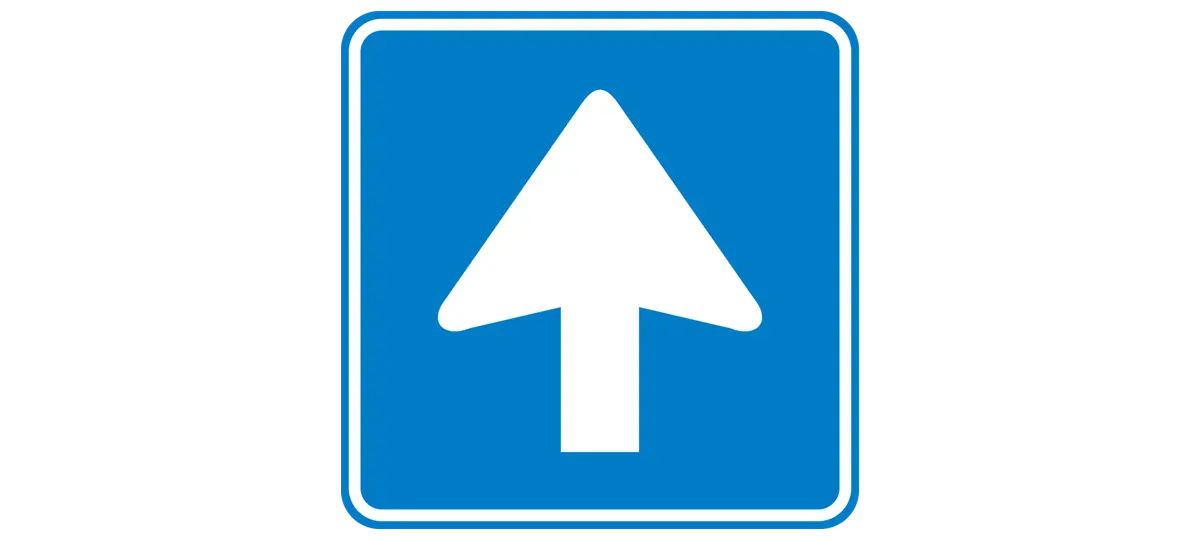
A one-way road sign tells you that traffic on that road is only allowed to travel in one direction. It is important to recognise this sign correctly because you need to follow the permitted direction of travel.
Driving in the wrong direction can create dangerous situations.
Why Are Information Road Signs Important?
When driving, you constantly have to process different types of information. You need to pay attention to other road users, traffic lights, road markings, traffic rules and road signs.
Information road signs help you look ahead. They provide information before you reach a particular situation, giving you more time to respond calmly.
For example, if you see a sign indicating a car park, you know that you may soon need to turn off the road. By noticing this in good time, you can adjust your speed and consider where you can safely change direction.
Without this information, you might only notice the turn at the last moment. This could result in sudden braking or an unexpected lane change.
Recognising road signs correctly therefore not only helps you find your destination, but also helps you drive in a controlled and predictable way.
Recognising Road Signs While Driving
It is not enough to simply know what a road sign looks like. As a driver, you also need to be able to process the information quickly while paying attention to everything else happening around you.
When practising, therefore, do not just try to memorise the name of a sign. Think about what it means in a traffic situation.
Ask yourself:
What is this sign telling me?
What can I expect further ahead?
Do I need to adjust my speed, direction or driving behaviour?
By practising in this way, you learn not only to recognise road signs but also to apply their meaning in real-life traffic situations.
Information Road Signs and Your Theory Test
It is also important to know your road signs for your theory test. You need to be able to recognise the sign you see and understand what information it provides.
Some questions directly ask about the meaning of a road sign. In other situations, you may need to recognise a sign and then determine what it means for the traffic situation.
That is why simply memorising the shape or name of a sign is not always enough. Try to understand what information the sign provides and what this means for you as a driver.
Conclusion
Information road signs help you understand what to expect while driving. They can point you towards a car park, hospital or other facility, but they can also provide information about the road you are driving on.
By recognising these signs in good time, you have a better overview of the situation and can calmly adjust your driving. This helps you avoid unexpected manoeuvres and participate more safely in traffic.
Want to prepare properly for your theory test? Make sure you not only know the traffic rules, but can also quickly recognise road signs and understand what they mean in different traffic situations.