
Every driver will encounter it sooner or later: the blind spot. It’s that hidden, dangerous area around your vehicle that you simply can’t see—even when your mirrors are perfectly adjusted. Understanding the blind spot is essential, not only for passing your driving test but also for staying safe on the road.

At Nutheorie, we make sure our students fully understand what the blind spot is, where it’s located, and how to deal with it safely. Let’s break it down step by step.
Why the Blind Spot Is So Dangerous
The real danger of the blind spot is that it creates a false sense of security. You may think the road is clear because your mirrors show nothing but another road user could still be right next to you.
This is one of the most common causes of:
- Lane-change accidents
- Collisions with cyclists or motorcyclists
- Near-misses in busy traffic
That’s why awareness and proper checking are absolutely critical.
.jpg)
Can You Eliminate the Blind Spot by Adjusting Your Mirrors?
The short answer is: no.
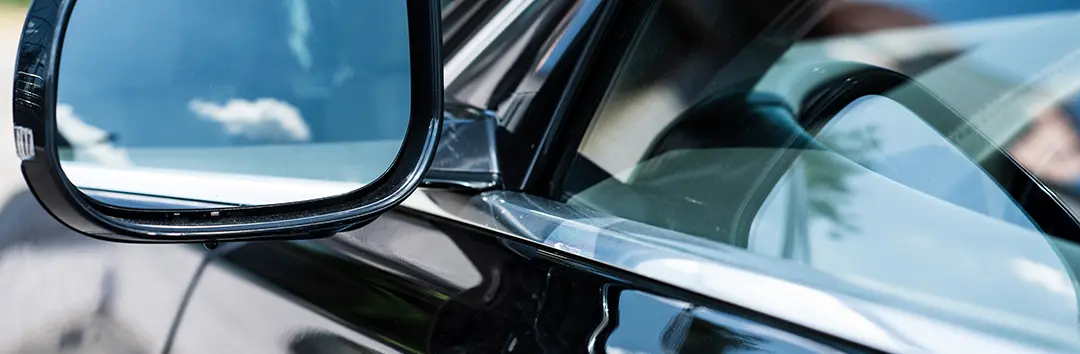
No matter how well you adjust your mirrors, there will always be areas around your vehicle that remain invisible. Mirrors help reduce blind spots, but they can never remove them completely.
That’s why one rule is absolutely crucial:
Always check over your shoulder before changing lanes or turning.
This quick glance, often called a shoulder check, is the only reliable way to make sure there isn’t a cyclist, scooter, or car right next to or slightly behind you.
When Should You Check Your Blind Spot?
Knowing when to check your blind spot is just as important as knowing how. You should always do a shoulder check in situations like:
- Changing lanes
- Merging into traffic
- Turning at intersections
- Overtaking another vehicle
- Leaving a parking spot
In short: any time you move sideways or change direction, check your blind spot.
Where Is the Blind Spot in a Car?
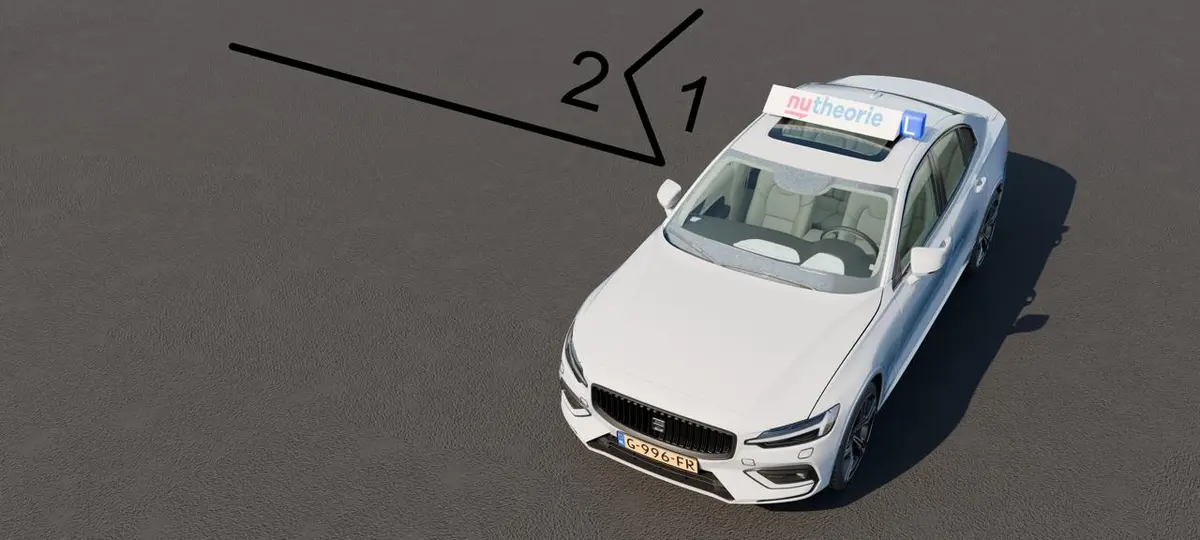
Imagine two zones next to your vehicle:
- Part 1: Visible in your side mirror
- Part 2: Not visible in your mirrors
The blind spot is Part 2.
This is the area where another road user, like a cyclist or motorcyclist, can be completely invisible to you. The only way to check this area is by physically turning your head and looking over your shoulder.
Blind Spots in Lorries and Buses
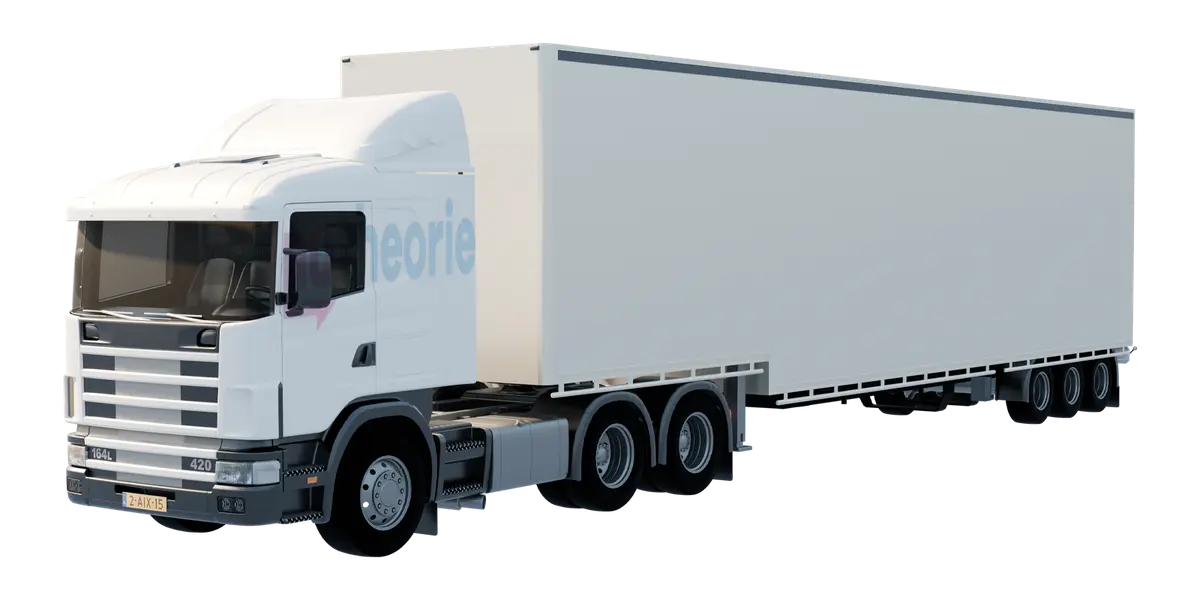
Blind spots don’t just apply to cars. In fact, larger vehicles like lorries and buses have much bigger and more dangerous blind spots.
Why Are Their Blind Spots Bigger?
- They are longer and taller
- The driver sits higher up
- They have limited direct visibility
Even though these vehicles often have extra mirrors, they still cannot show everything around the vehicle.
How to Stay Safe Around Large Vehicles
If you’re driving near a lorry or bus, keep these safety tips in mind:
- Keep your distance
- Make sure you are visible in the driver’s mirrors
- Avoid driving directly next to them
- Never stop right in front of or beside a large vehicle
If you can’t see the driver in their mirror, chances are—they can’t see you either.
Where Are the Blind Spots on a Bus?
Buses have multiple blind spots, and they can vary slightly depending on the vehicle. Generally, the key blind spot areas are:
- Next to the bus (side blind spot)
- Directly behind the bus
Even though some areas may be visible through mirrors, large sections around the bus remain hidden from the driver.
The important takeaway: A bus has several blind spots, not just one.
Final Thoughts
The blind spot is one of the most important safety concepts in driving. You cannot eliminate it, but you can manage it.
Mirrors are helpful, but they are not enough on their own to guarantee safety. A shoulder check is essential to fully observe your surroundings and eliminate what your mirrors cannot show. In addition, extra caution is needed when driving near large vehicles, as their blind spots are significantly bigger and more dangerous.
By understanding and respecting blind spots, you significantly reduce the risk of accidents and become a safer, more confident driver.