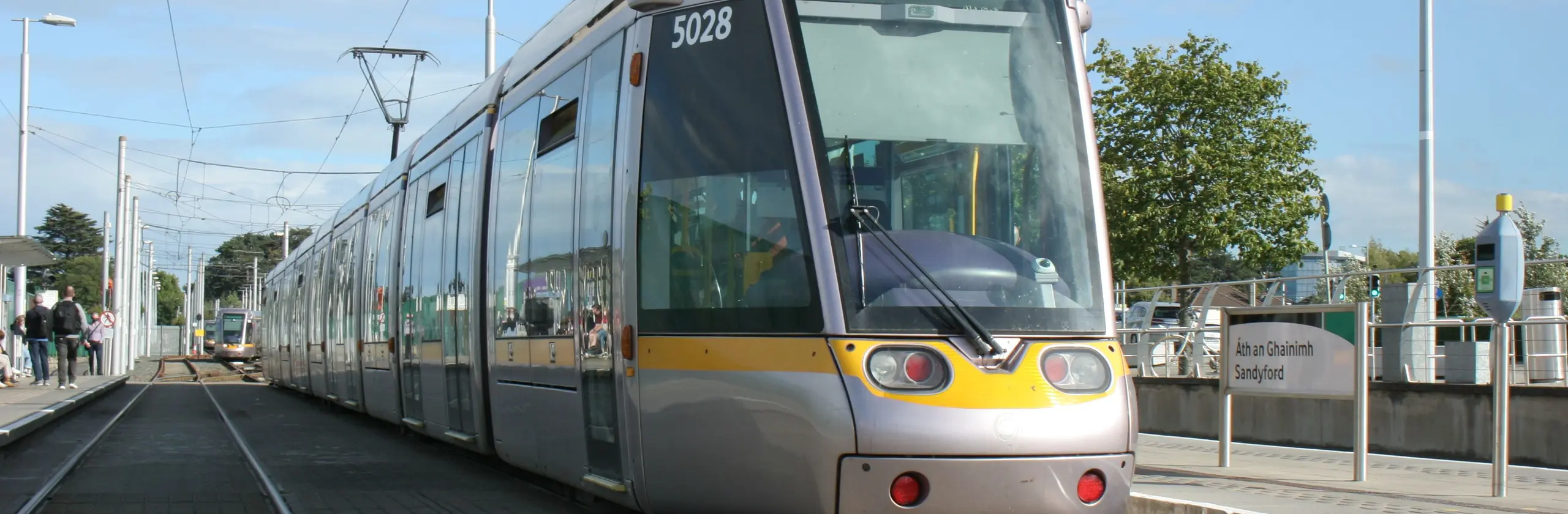

The tram is a well-known part of the Dutch streetscape. Especially in major cities such as Amsterdam, Rotterdam, and The Hague, drivers, cyclists, and pedestrians share the road with trams on a daily basis. However, tram traffic rules often cause confusion. Many road users are unsure when a tram has priority, how to safely overtake a tram, or what to do at a tram stop.

This is not without risk. A tram has a long braking distance, cannot swerve, and always follows its rails. That is why special traffic rules apply that every driver should know. In this comprehensive guide, we clearly explain all important tram traffic rules so you can participate in traffic more safely and confidently.
Why Does a Tram Have a Special Status?
To properly understand tram traffic rules, you first need to know why a tram is treated differently from other vehicles.
According to the Dutch Road Traffic and Traffic Signs Regulations (RVV 1990), a tram is considered a “special road user.” This is because a tram:
- Runs on rails
- Cannot swerve
- Has a long braking distance
- Is often large and heavy
- Carries many passengers
Because of these limitations, a tram has an exceptional position in traffic at various moments. These rules are designed to prevent accidents and ensure smooth public transport flow.
Does a Tram Always Have Right of Way?
.jpg)
One of the most frequently asked questions about tram traffic rules is:
Does a tram always have right of way?
The short answer is: no. But in many situations, a tram does have a privileged position.
This often causes confusion among drivers who only rely on the standard rule “priority from the right.” However, trams come with important exceptions.
Tram Priority at Equal Intersections
Normally, at an equal intersection, the rule is:
Traffic coming from the right has priority.
For trams, this works differently.
A tram always has priority at an equal intersection, regardless of the direction it comes from. This is one of the most important tram traffic rules to remember for both theory exams and real-life driving.
Example
If you approach an intersection by car and a tram comes from the left, you must still stop and let the tram go first.
Many drivers make mistakes here because they automatically only look to the right for priority.
Turning Trams Often Have Priority
Another important exception within tram traffic rules relates to turning movements.
Normally:
- Straight-moving traffic has priority over turning traffic on the same road.
-
But trams are an exception.
A turning tram has priority over traffic that is going straight on the same road. This means you must wait if a tram is turning, even when you intend to drive straight.
This applies to:
A tram is therefore given extra space during turning movements.
Traffic Lights and Tram Signals
Trams must obey traffic lights and road signs just like other road users. However, trams often have special signals that apply only to them.
These are also known as:
- nine-eye signals
- tram traffic lights
- tram signals
These lights clearly indicate when a tram may move or must stop. If there are no dedicated tram signals, normal traffic lights apply.
Important
A tram is not allowed to simply run a red light. Many people assume this is the case because trams sometimes receive green earlier than other traffic.
Overtaking a Tram: What Are the Rules?
.jpg)
Overtaking a tram can often lead to dangerous situations. That is why clear tram traffic rules define how to safely pass a tram.
Overtaking a Tram on the Right
In most situations, you overtake a tram on the right side.
This is because:
- Trams often run in the middle of the road
- The right side is usually available for other traffic
However, you must always stay alert:
- Keep a safe distance
- Watch for passengers getting on or off
- Be aware of sudden stops
When Can You Overtake a Tram on the Left?
There are exceptions where overtaking a tram on the left is allowed.
1. One-Way Streets
On a one-way street, you may overtake a tram on either side if it is safe to do so.
2. No Space on the Right
If the tram is in the middle of the road and there is not enough space on the right, you may pass on the left.
3. Traffic Jams or Slow Traffic
In slow-moving traffic or traffic jams, overtaking on the left may be allowed when the right side is blocked.
Always Be Careful
A tram:
- Makes very little noise
- Has a long braking distance
- Cannot swerve
That is why extra caution is always required around tram tracks.
Safety at Tram Stops
A tram stop requires extra attention from drivers. Passengers board and exit here, often directly onto the roadway.
According to tram traffic rules, drivers must always give passengers space to board and exit safely.
What Does This Mean in Practice?
When a tram is stopped at a stop:
- You often have to stop
- You must not obstruct passengers
- You must drive very slowly
Especially when passengers cross the road, you are required to wait until everyone has safely crossed.
Ignoring this rule can lead to:
- Dangerous situations
- High fines
- Serious accidents
Why Are Tram Traffic Rules So Important?
.jpg)
Many drivers underestimate the danger of a tram. However, a tram:
- Cannot swerve
- Is difficult to stop quickly
- Can cause severe damage in a collision
That is why tram traffic rules focus on:
- Safety
- Predictability
- Smooth public transport flow
A driver who understands the rules prevents dangerous situations for:
- Passengers
- Cyclists
- Pedestrians
- Other motorists
Conclusion: Respect the Tram and the Rails
The tram plays an important role in Dutch traffic. Because a tram cannot swerve and has a long braking distance, special tram traffic rules apply that every driver should know.
A tram often has priority, a turning tram frequently goes first, safe overtaking is essential, and safety at tram stops is always the top priority. By respecting the tram, you make traffic safer for everyone. Whether you are a car driver, cyclist, or scooter rider: respect the rails and stay alert around trams.


.jpg)