
Moving to the Netherlands is an exciting experience. You get to discover a new country, meet new people and explore new places. You might also want to drive to work, go shopping or explore more of the Netherlands by car. Before getting behind the wheel, it is important to understand the traffic rules that apply here.

Dutch traffic rules may be different from those you are used to in your home country. In particular, the large number of cyclists, right-of-way rules and different speed limits can take some getting used to. By preparing properly, you can avoid dangerous situations and drive with greater confidence.
In this article, we discuss seven important Dutch traffic rules that every expat should know before driving.
1. Drive on the right-hand side of the road
In the Netherlands, all drivers drive on the right-hand side of the road. This means you should generally keep to the right and overtake other vehicles on the left. After overtaking, return to the right-hand lane as soon as it is safe to do so.
Are you from a country where people drive on the left, such as the United Kingdom? If so, this may take some getting used to. You should be especially careful at roundabouts, intersections and when leaving parking areas.
Traffic on Dutch roundabouts moves counterclockwise. Always check carefully where other vehicles are coming from and follow the traffic signs and road markings.
2. Pay extra attention to cyclists
The Netherlands is known for its cycling culture. You will encounter cyclists in almost every city and town. Many roads have dedicated cycle paths, which are often marked in red. However, this does not mean that cyclists always use separate cycle paths.
As a driver, you must constantly be aware of cyclists. Dangerous situations can arise particularly at intersections, roundabouts and when turning.
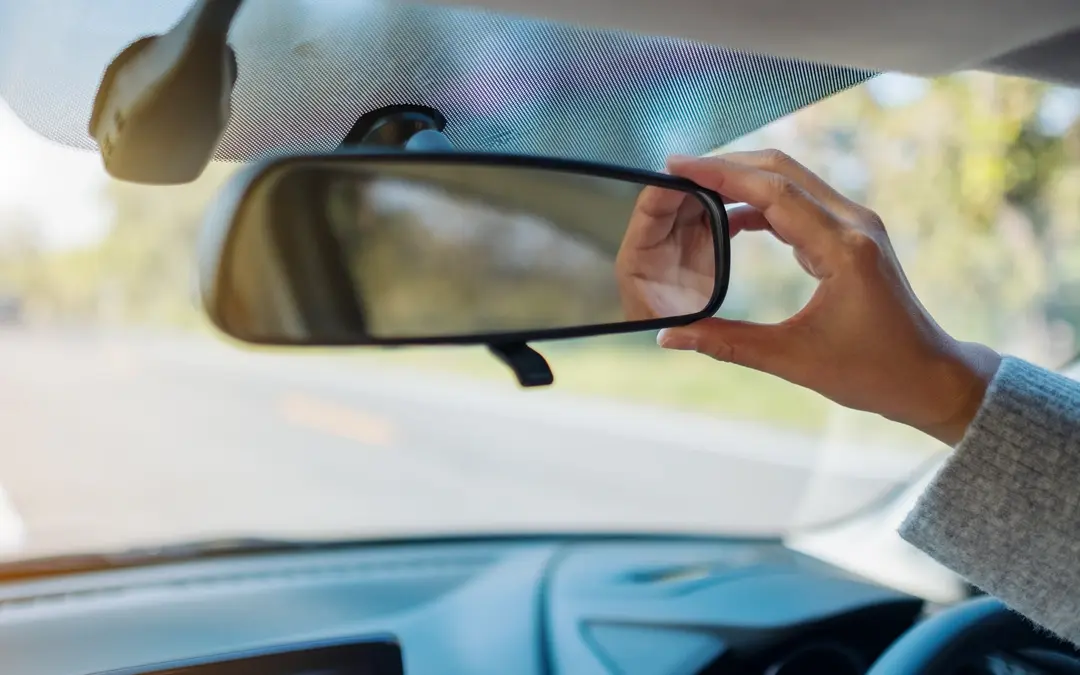
For example, when turning right, you must give way to cyclists travelling straight ahead on the same road. Always check your mirrors and blind spot before turning.
You should also be careful when opening your car door. Look behind you first to check whether a cyclist is approaching. A useful technique is the Dutch Reach: open the door using the hand furthest away from it. This naturally turns your upper body, making it easier to look behind you.
By keeping a safe distance and looking well ahead, you can help prevent accidents involving cyclists.
3. Follow Dutch speed limits
Different speed limits apply in the Netherlands depending on the type of road and location. It is important to know these limits, as they may differ from those in your home country.
The general speed limits for passenger cars are:
- In built-up areas: usually 50 km/h, unless traffic signs indicate a different speed limit.
- 30 km/h zones: maximum 30 km/h.
- Residential shared spaces (woonerfs): maximum 15 km/h.
- Outside built-up areas: usually 80 km/h.
- Expressways: generally a maximum of 100 km/h.
- Motorways: during the day, between 06:00 and 19:00, the maximum speed is 100 km/h on most sections. Between 19:00 and 06:00, the speed limit may be 100, 120 or 130 km/h, depending on the road.
Always pay close attention to traffic signs and electronic signals above the road. The posted speed limit may differ from the general rules.
You should also take weather conditions into account. During rain, fog or icy conditions, it may be necessary to drive more slowly, even if this means travelling below the permitted speed limit.
4. Do not use your phone while driving
In the Netherlands, it is illegal to hold a mobile phone or another mobile electronic device while driving. This applies not only to making calls but also to sending messages, checking social media and other activities that involve holding the device.
You are allowed to use a hands-free system or a phone secured in a suitable holder. However, this does not mean that every interaction with your phone is safe.
Even when you are not holding your phone, adjusting navigation settings or reading messages can distract you from the road. Therefore, set up your navigation before leaving and minimise phone use while driving.
Do you need to change something or reply to a message? Find a safe place to stop first.
5. Understand Dutch right-of-way rules
Right-of-way rules are an important part of Dutch traffic regulations. The rules at intersections, in particular, may be different from those you are used to.
At an uncontrolled intersection where all roads have equal priority, the general rule is that drivers must give way to traffic coming from the right. This applies not only to cars but also, for example, to cyclists approaching from the right.
There are also several important exceptions and additional rules:
Trams: at intersections where all roads have equal priority, trams generally have priority over other road users, even when approaching from the left. Traffic signs and traffic lights may indicate different rules.
Pedestrian crossings: at zebra crossings, you must give way to pedestrians and users of mobility vehicles for people with disabilities who are crossing or clearly intending to cross.
Turning: when turning, you must give way to road users continuing straight ahead on the same road. This also applies to cyclists and pedestrians.
Priority roads: traffic signs and give-way road markings, often called shark's teeth in the Netherlands, indicate when you must give way to traffic on another road.
Pay particular attention at roundabouts. In the Netherlands, drivers already on a roundabout often have priority, but this is not always the case. Always check the traffic signs and give-way markings before entering a roundabout.
6. Do not drive under the influence of alcohol or drugs
Alcohol and driving do not mix. Alcohol affects your reaction time, concentration and judgement, increasing the risk of an accident.
In the Netherlands, different alcohol limits apply to novice and experienced drivers.
For novice drivers, the maximum permitted blood alcohol concentration is 0.2 per mille (0.02%), equivalent to 88 micrograms of alcohol per litre of exhaled breath.
For experienced drivers, the maximum is 0.5 per mille (0.05%), equivalent to 220 micrograms of alcohol per litre of exhaled breath.
Whether you are considered a novice driver depends, among other things, on when and at what age you obtained your first driving licence.
Driving under the influence of drugs is also prohibited. In addition, certain medications can affect your ability to drive. Always check whether it is safe to drive when taking medication.
The safest choice is to avoid alcohol and drugs entirely if you plan to drive.
7. Check whether your foreign driving licence is valid
In addition to understanding Dutch traffic rules, it is important to check whether you are allowed to drive in the Netherlands with your foreign driving licence.
Different rules apply to expats depending on the country where their licence was issued and how long they have been living in the Netherlands.
Do you have a driving licence issued by an EU or EEA country? Under certain conditions, you may continue using it for a period after becoming a resident of the Netherlands.
Do you have a driving licence from a country outside the EU or EEA? In most cases, you can continue driving with it for up to 185 days after becoming a resident of the Netherlands. After that, you will generally need a Dutch driving licence.
In some cases, you can exchange your foreign driving licence for a Dutch one. Whether this is possible depends on the country where your licence was issued and your personal circumstances.
Before driving, always check which rules apply to your situation. This will help prevent you from unintentionally driving without a valid licence.
Conclusion
Driving in the Netherlands does not have to be complicated, but it is important to understand the traffic rules. Especially if you come from a country with different regulations, some situations may take a little getting used to.
Pay extra attention to cyclists, follow the speed limits and make sure you understand Dutch right-of-way rules. You should also check whether your foreign driving licence is valid before getting behind the wheel.
By preparing properly and paying close attention to your surroundings, you can participate in Dutch traffic safely and confidently.