
Driving in the dark can be quite daunting, especially if you have not had your driving licence for very long. Visibility on the road is limited in the evening and at night, making it harder to spot other road users. Think of cyclists without proper lights, pedestrians wearing dark clothing or animals suddenly crossing the road.

That is why driving in the dark requires extra attention and caution. By adjusting your speed, keeping a safe distance and paying close attention to your surroundings, you can prevent many dangerous situations. With the following six tips, you will be better prepared and feel more confident when driving at night.
1. Make Sure Your Lights Are Working Properly
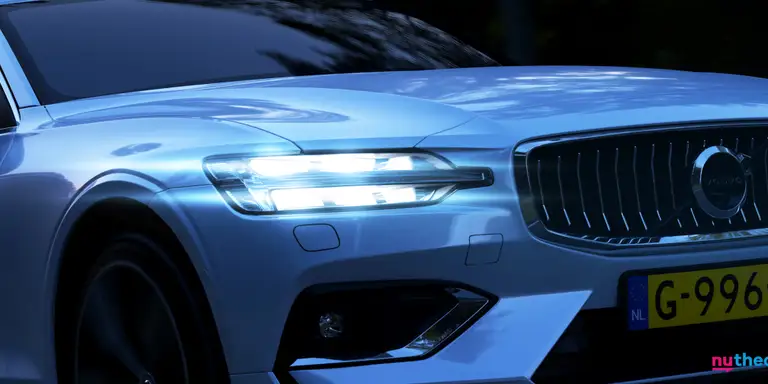
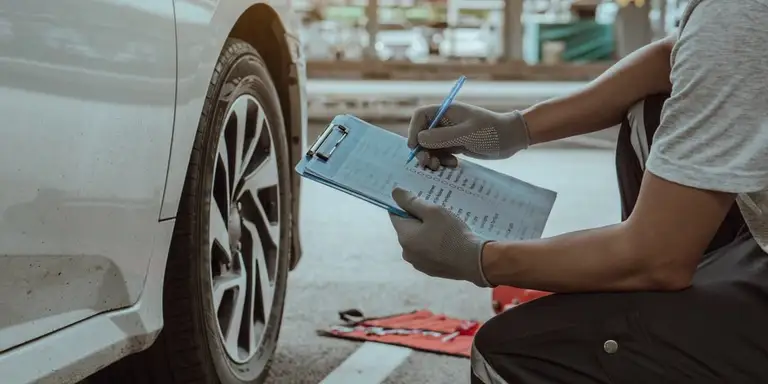
Good lighting is essential when driving in the dark. You need to be able to see clearly, but you also need to be visible to other road users. Before setting off, check that your headlights, rear lights and brake lights are all working properly.
It is also important to use the correct lights. When driving in the dark, you should use dipped headlights. You can use full beam on unlit roads when there is no oncoming traffic and no other vehicles ahead of you. Switch off your full beam in good time when approaching an oncoming vehicle or when driving behind another car. This prevents you from dazzling other drivers.
2. Adjust Your Speed
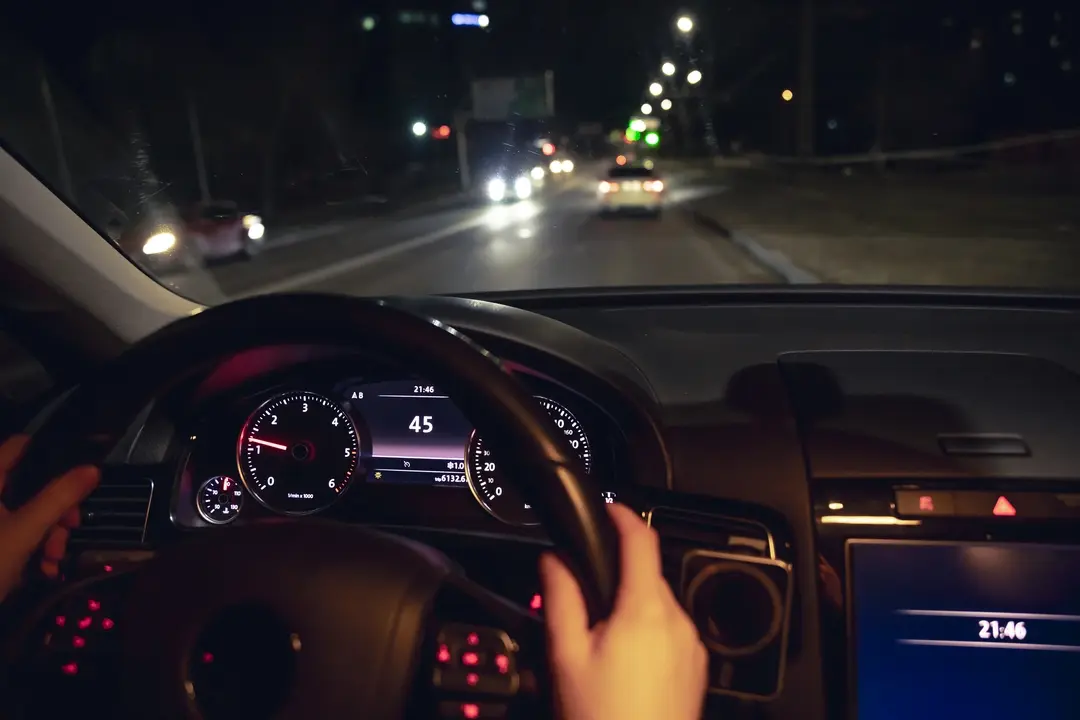
When driving in the dark, you cannot see as far ahead as you can during the day. As a result, you may only notice potential hazards at the last moment. These could include a cyclist without lights, an animal crossing the road or a sharp bend that is difficult to judge.
Always adjust your speed to the visibility and road conditions. Take into account the type of road, the weather and how far ahead you can see with your headlights. You should always have enough time to react to unexpected situations. Driving at a more moderate speed increases your chances of being able to brake or swerve in time.
3. Keep a Safe Following Distance
Keeping a safe distance is important at all times, but it requires extra attention when driving in the dark. Reduced visibility can make it harder to judge the distance between your car and the vehicle in front. You may also be slower to notice when another driver starts braking.
Make sure you leave enough space between your vehicle and the one ahead so that you have sufficient time and room to react safely if the driver suddenly brakes. In rainy or foggy conditions, or when the road is wet, it is a good idea to increase your following distance even further. Your stopping distance can be longer in these conditions.
4. Pay Attention to Other Road Users' Lights
When driving in the dark, it is important to pay attention not only to your own lights but also to the lights of other vehicles.
For example, you can tell that the driver in front of you is slowing down by looking at their red brake lights. Indicators show that another driver intends to turn or change lanes. Paying attention to these signals helps you anticipate what other drivers are planning to do.
You should also look as far ahead as possible rather than focusing only on the car directly in front of you. This helps you spot changes in traffic earlier and gives you more time to respond calmly to unexpected situations.
5. Watch Out for Pedestrians and Cyclists
Pedestrians and cyclists are vulnerable road users. They can also be difficult to see in the dark, particularly when wearing dark clothing or travelling along poorly lit roads.
Pay close attention to bicycle lights, reflective clothing and other small sources of light along the road. Keep in mind that you may not notice cyclists and pedestrians until the last moment.
Be especially alert at junctions, pedestrian crossings and places where cyclists and pedestrians may unexpectedly cross the road. Adjust your speed and make sure you have enough room to stop. Never assume that other road users have seen you approaching in time.
6. Stay Calm and Avoid Distractions
Driving in the dark requires more concentration than driving in daylight. You need to keep an eye on your surroundings at all times and react quickly when something unexpected happens. Avoid distractions while driving. Put your phone away, set your navigation system before setting off and avoid doing anything that takes your attention away from the road.
Do you find driving in the dark stressful? Try to stay calm and give yourself time to get used to the conditions. By regularly driving in different traffic situations, you will gain experience and become more comfortable with reduced visibility.
Driving Safely in the Dark Starts with Good Preparation
Driving safely in the dark is all about being well prepared and staying alert. Check that your lights are working, adjust your speed and keep a safe distance from other vehicles. Also, pay attention to other drivers' lights and take extra care around cyclists and pedestrians.
This is particularly important if you are still a relatively inexperienced driver. Give yourself time to become comfortable with driving in the dark. By looking ahead, staying calm and taking reduced visibility into account, you can drive safely in the evening and at night.