
You may know the traffic rules and have good control of the car, but during the practical driving test, you mainly need to show that you can drive safely and independently. The examiner therefore pays close attention to the decisions you make and how you respond to different traffic situations.

But what does an examiner actually see from the passenger seat? What are they looking for during your drive, and which aspects show that you are ready to drive independently?
In this article, we look at the practical driving test from the examiner's perspective.
1. How Do You Start Driving?
Even before you actually enter the road, you can show how well you control the car. The examiner may look at how you prepare to pull away and how you check whether it is safe to do so.
Look carefully around you, check your mirrors, and watch for traffic approaching from behind or alongside your car. Then take up a safe position on the road.
The focus here is not on speed, but on starting safely and deliberately.
2. What Does the Examiner See in Your Observation?
The examiner cannot literally see what you are thinking. Therefore, your driving needs to show that you are observing your surroundings properly.
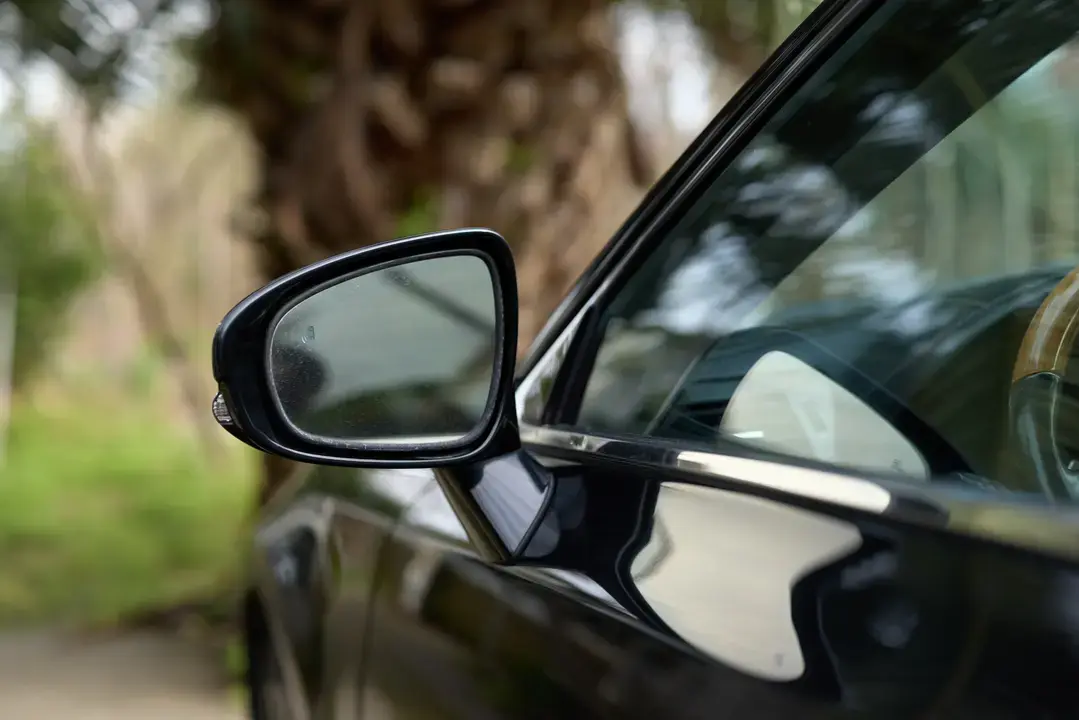
Use your mirrors at the right moments and look ahead for potential hazards. For example, check your blind spot before changing lanes.
It is also important at intersections, roundabouts, and when turning to show that you are aware of what is happening around your car.
3. How Does the Examiner Assess Your Traffic Awareness?
Traffic awareness involves more than simply applying a traffic rule. The examiner wants to see whether you understand what could happen in a particular traffic situation.
For example, do you notice in time that a cyclist might enter your path? Do you see that a car is trying to merge? Do you adjust your speed when approaching an unclear or obstructed situation?
By looking ahead and recognizing potential risks early, you show that you can anticipate rather than simply react.
4. What Speed Does the Examiner Expect?
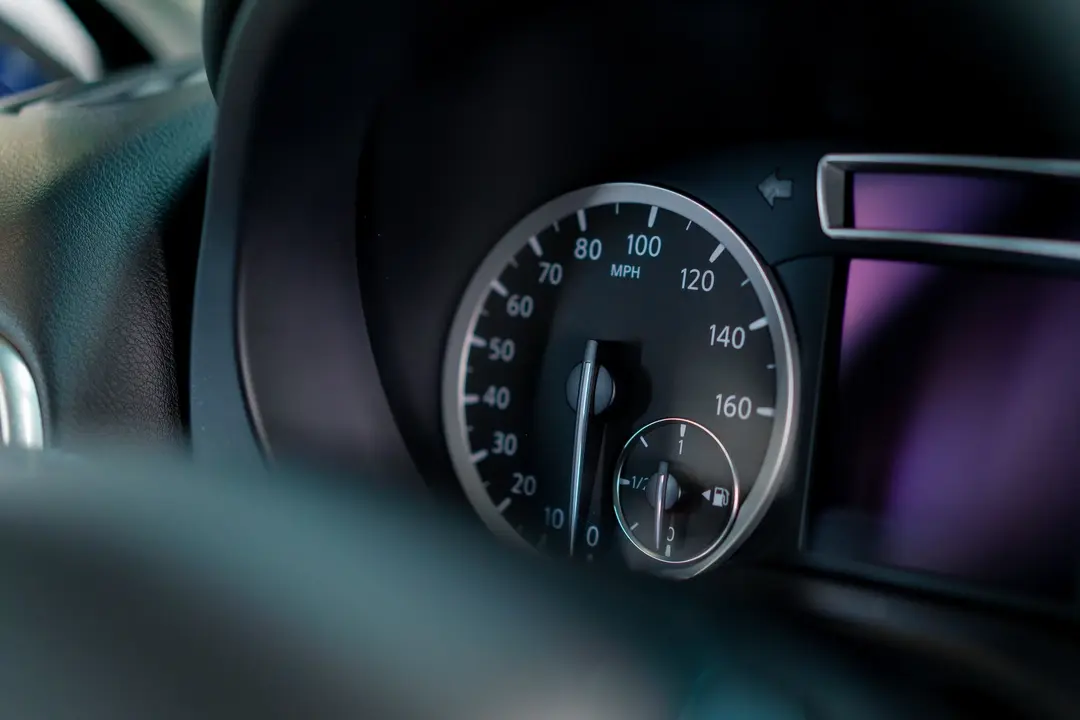
The examiner does not expect you to constantly drive exactly at the speed limit. Your speed should be appropriate for the situation.
A higher speed may be appropriate on a clear, open road. In poor visibility, heavy traffic, or an unclear traffic situation, you may need to slow down.
The examiner therefore mainly looks at whether you can independently determine what speed is safe and appropriate at that moment.
5. How Do You Handle Right-of-Way Situations?
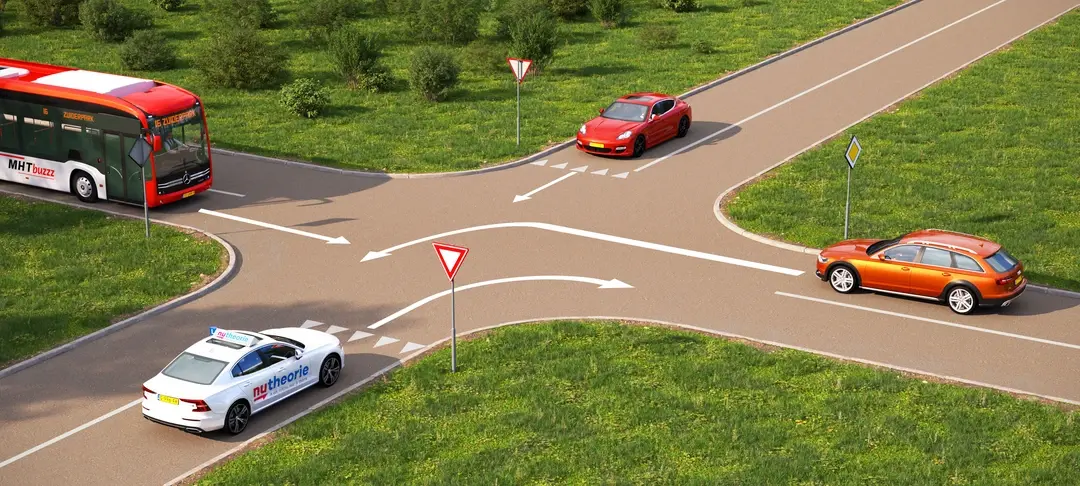
At intersections, the examiner looks at whether you recognize right-of-way situations in time and respond correctly.
You need to know when you have to give way, but you also need to be able to deal with situations where other road users do not behave as expected.
For example, if another driver does not appear to recognize your right of way, it is important not to simply continue driving. Show that you recognize risks and prioritize safety.
6. Can the Examiner See That You Are Driving Independently?
An important part of the practical driving test is making decisions independently. The examiner gives you instructions, but expects you to carry them out safely.
For example, you may need to decide which lane you need or how to approach a particular traffic situation.
What if you make a mistake with the route, such as missing a turn? Do not try to correct it at the last moment. The examiner would rather see you continue driving safely and make a new decision independently.
7. How Do You Deal With Other Road Users?
The examiner also pays attention to how you take other road users into account.
Give cyclists enough space, watch out for pedestrians, and remain alert to the behavior of other drivers. It is particularly important to anticipate the behavior of vulnerable road users.
A safe driver does not only consider what other road users are doing now, but also what they might do next.
8. What Does the Examiner Look For During Special Maneuvers?
During a special maneuver, such as parking or reversing, the result is not the only thing that matters.
The examiner mainly looks at how you perform the maneuver. Do you check your surroundings? Do you use your mirrors? Do you notice in time when a pedestrian or cyclist approaches?
Making a small correction during a maneuver does not necessarily cause a problem. Safety and control are more important than performing the maneuver perfectly.
9. What Happens If You Make a Mistake?
Making a mistake during the practical driving test does not automatically mean that you have failed. The examiner assesses your driving as a whole.
That is why it is important not to make a mistake worse by panicking. For example, if you miss a turn or do not perform an action perfectly, stay calm and focus on the next traffic situation.
What matters to the examiner is whether you can continue driving safely and recover from the situation.
Conclusion
During the practical driving test, the examiner is not only checking whether you can control the car. From the passenger seat, they are mainly observing how you look, think, decide, and respond.
Good observation, traffic awareness, an appropriate speed, and independent decision-making are therefore just as important as technically controlling the car. A good knowledge of the traffic rules provides an important foundation for this. With a car theory course, you can prepare your knowledge of the traffic rules in a focused way and better understand why you need to act in a certain way in different traffic situations.
During your driving lessons, try not only to practice specific maneuvers, but also think about what is happening around you. By combining your theoretical knowledge with practical experience, you can build a stronger foundation for the practical driving test and learn to participate in traffic safely, consciously, and independently.


.jpg)