.jpg)

Tyre tread depth plays a crucial role in road safety. It refers to the depth of the grooves in your tyres, which are designed to provide grip and channel water away from the surface. The deeper the tread, the better your vehicle can maintain traction—especially in wet or slippery conditions.

Many learners underestimate this topic, but it’s essential not only for safe driving but also for passing your theory exam. Questions about tyre tread depth frequently appear, making it an easy opportunity to score points if you know the rules.
Minimum Tread Depth for Cars
For standard car tyres, the legal minimum tread depth is:
1.6 millimeters
This requirement applies to:
- All tyres on the vehicle
- The spare tyre
- Trailer tyres
Driving with insufficient tread depth can lead to:
- Reduced grip
- Longer braking distances
- Increased risk of aquaplaning
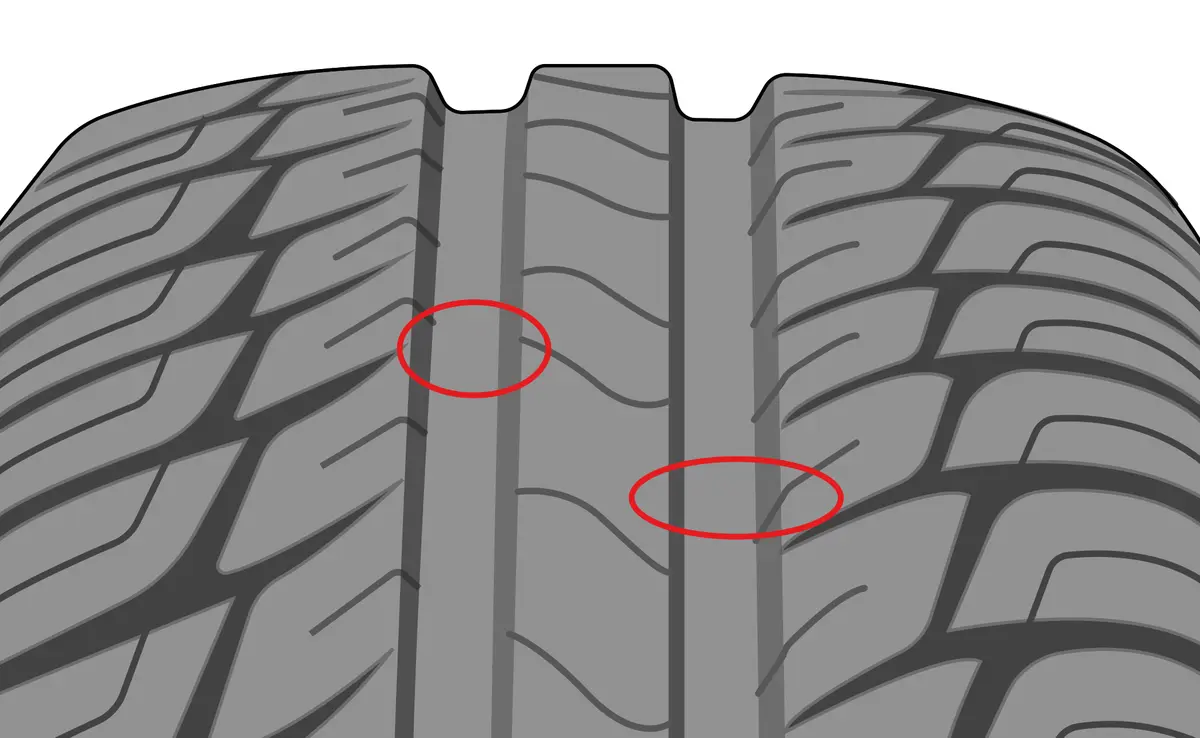
What Is Aquaplaning?
Tyre grooves are designed to disperse water. When the tread is too shallow, water cannot escape effectively, causing the tyres to lose contact with the road surface. This results in aquaplaning, where the vehicle effectively skids over water.
Key takeaway:
- 1.6 mm = minimum safe tread depth
- Less than 1.6 mm = high risk of slipping
.jpg)
Winter Tyres: Extra Grip in Cold Conditions
Winter tyres are specifically designed for temperatures below 7°C. They offer better grip on:
- Snow
- Ice
- Wet roads in cold weather
The recommended minimum tread depth for winter tyres is:
4 millimeters
Although winter tyres are not mandatory in the Netherlands, they are strongly recommended in colder conditions. Less tread means reduced grip and a higher risk of dangerous situations.
Motorcycle Tyres
Motorcycle tyres have a lower minimum tread depth requirement:
1.0 millimeter
Despite the lower threshold, tread depth remains just as important. Reduced tread means less grip and a higher chance of skidding, especially in wet conditions.
When Should You Check Your Tyres?
Check your tyres regularly and always when they are cold. This ensures accurate measurements of both:
- Tread depth
- Tyre pressure
Routine checks help prevent unsafe situations and extend the lifespan of your tyres.
Why This Matters for Your Theory Exam
Tyre-related questions are a common part of the theory exam. Understanding the key rules gives you an advantage:
- Car tyres: minimum 1.6 mm
- Winter tyres: minimum 4 mm
- Motorcycle tyres: minimum 1.0 mm
- Know what aquaplaning is and how to prevent it
Mastering these basics not only helps you pass your exam but also ensures you become a safer, more confident driver.
.jpg)
Conclusion
Tyre tread depth is a simple yet essential part of vehicle safety that should never be overlooked. Maintaining the correct tread depth improves grip, reduces braking distance, and significantly lowers the risk of aquaplaning.
For your theory exam, remembering the key values—1.6 mm for car tyres, 4 mm for winter tyres, and 1.0 mm for motorcycle tyres—can help you secure easy points. More importantly, applying this knowledge in real life ensures safer driving in all conditions.


.jpg)