
You're waiting at a traffic light when it turns green, and you want to move off. You start releasing the clutch, but the car judders and the engine stalls. Especially during your first driving lessons, it can be difficult to coordinate the clutch and accelerator correctly.

Fortunately, this is a skill you can improve with practice. It starts with understanding how the clutch works and recognising when it begins transferring power to the wheels. Once you learn to feel the biting point and operate the pedals smoothly, moving off becomes much easier.
In this blog, we'll explain how to use the clutch, which mistakes to avoid and what to do if the car stalls.
What Does the Clutch Do?
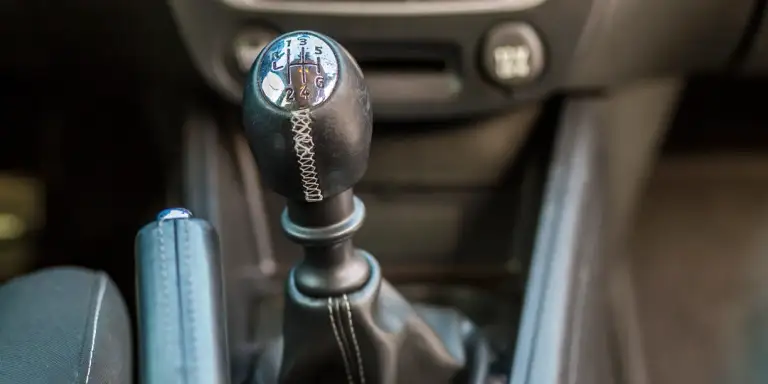
The clutch connects the engine to the gearbox and allows you to temporarily interrupt the transfer of power. This enables you to change gears and move off from a standstill.
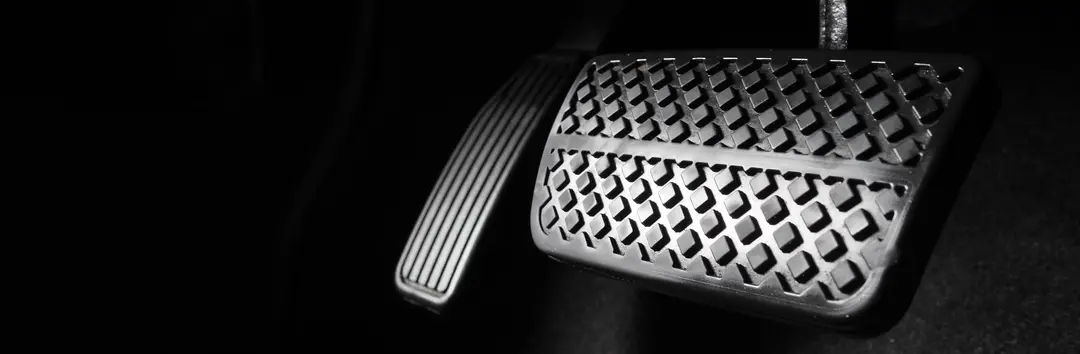
In a car with a manual gearbox, you operate the clutch using the pedal on the far left. When you press this pedal all the way down, the drive is disengaged. As you gradually release it, the connection between the engine and the wheels is restored.
This transition is particularly important when moving off. If you release the clutch too quickly, the engine may not be able to provide the necessary power, causing the car to stall. By operating the pedal in a controlled way, you give the car a chance to move off gradually.
What Is the Biting Point of the Clutch?
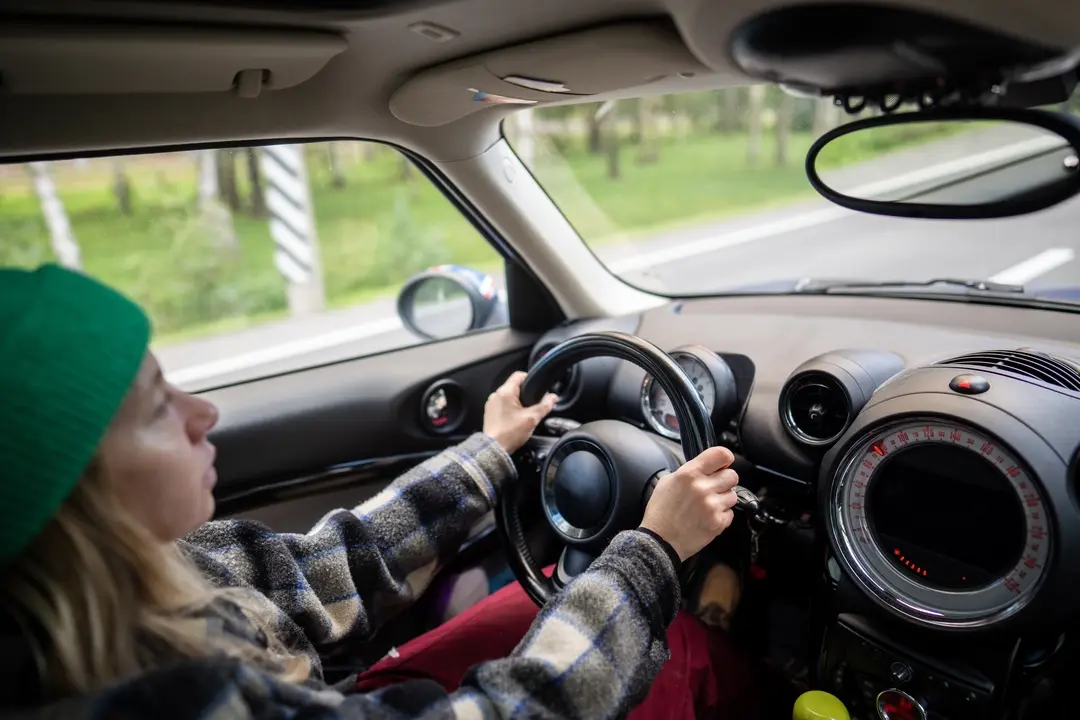
The biting point is the moment when the clutch begins transferring power from the engine to the wheels. You can often recognise it by a change in engine sound, slight vibrations or the feeling that the car wants to move forwards. How clearly you notice these signs depends on the car.
Once you feel the biting point, don't immediately continue releasing the clutch. Keep the pedal under control briefly as the car begins to move, then gradually release it further. The exact coordination with the accelerator depends on the car and the situation.
It's important not to hold the clutch at the biting point for longer than necessary, as this can cause additional wear. The aim is to engage the clutch smoothly and then release it fully when it is safe and appropriate to do so.
Tip: Practise recognising the biting point in a quiet, safe location under the supervision of your driving instructor. Every car feels different. When you later drive another car, the biting point may be higher or lower, and the amount of accelerator you need may vary.
How to Move Off Smoothly, Step by Step
Moving off smoothly requires good coordination between the clutch and accelerator. Follow these steps during your driving lessons to gradually master the technique.
Step 1: Press the clutch and select first gear.
Press the clutch pedal all the way down and move the gear lever into first gear. Check your surroundings and make sure it is safe to move off.
Step 2: Apply a little accelerator if necessary.
Depending on the car and the conditions, you may need to apply a little accelerator before the clutch starts to engage. Keep your right foot steady and avoid applying more power than necessary.
Step 3: Slowly release the clutch.
Gradually raise the clutch pedal until you feel the biting point. You may notice a change in engine sound or feel the car begin to vibrate slightly.
Step 4: Coordinate the clutch and accelerator.
Give the car time to start moving. Don't release the clutch suddenly; keep your movements controlled. You may need more accelerator when moving off uphill than on a flat road.
Step 5: Fully release the clutch.
Once the car is moving smoothly and the situation allows it, gradually release the clutch further. When the pedal is fully up, you can continue accelerating. Change into a higher gear when your speed and engine revolutions are suitable.
At first, it may feel as though you have to perform too many actions at once. That's normal. With regular practice, you'll develop a better feel for when to release the clutch and how much accelerator to apply.
Why Does a Car Stall?
A car usually stalls when the engine cannot provide enough power to keep the car moving. This often happens because the clutch is released too quickly or because insufficient accelerator is applied when the situation requires it.
Several factors can contribute to stalling:
- Releasing the clutch too quickly. Power is transferred too abruptly, which can cause the engine to stall.
- Applying too little accelerator. The engine may not produce enough power, particularly when moving off uphill or when more force is needed.
- Failing to recognise the biting point. If you don't notice when the clutch starts to engage, it becomes harder to control the car's movement.
- Feeling too much pressure. When you're rushing or feeling nervous, you're more likely to operate the pedals too abruptly.
While practising, pay attention to what the car does as you release the clutch. Does the engine sound change? Can you feel vibrations? Recognising these signals helps you adjust your actions and avoid repeating the same mistakes.
What Should You Do If the Car Stalls?
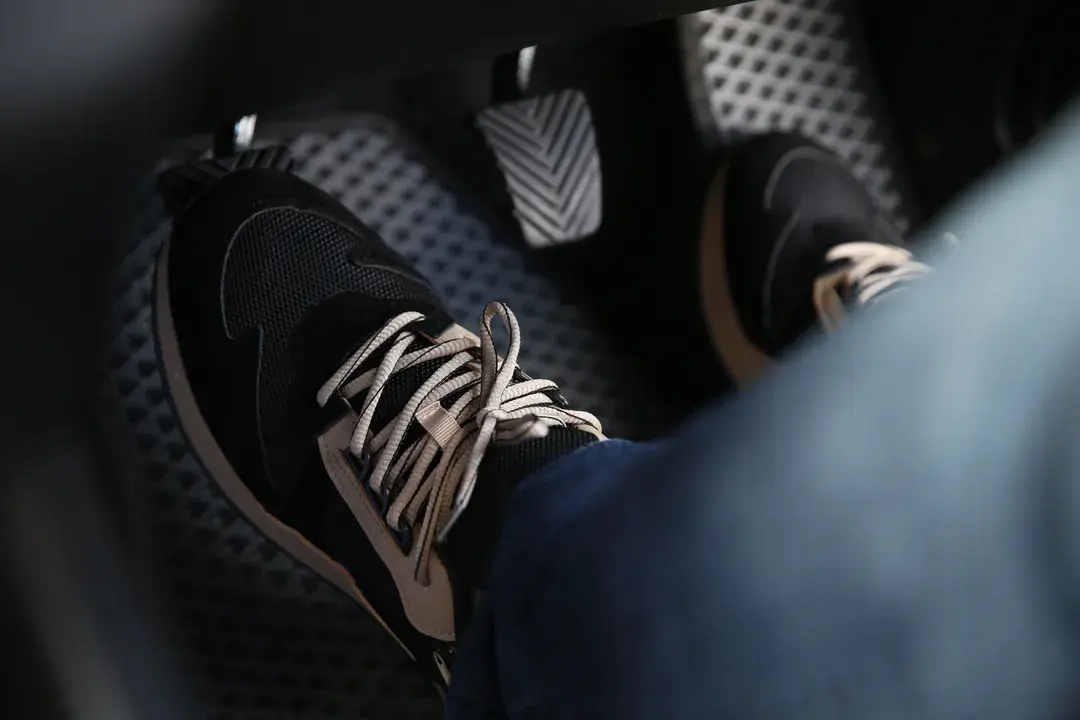
Even when you practise carefully, the engine may stall occasionally. This happens to many learner drivers. The most important thing is to remain calm and keep the traffic situation safe.
Follow these steps if the car stalls:
- Keep the car under control. Press the clutch and, if necessary, apply the brakes to bring the car to a safe stop. Pay attention to the surrounding traffic.
- Assess the situation. Check whether it is safe to restart the engine and move off again. Be aware of other road users, particularly if you're at a junction or on a hill.
- Restart the engine. Follow the starting procedure for the car you're driving.
- Try moving off again. Select first gear, find the biting point and coordinate the clutch and accelerator smoothly.
Don't let drivers behind you rush you. If you feel pressured and release the clutch too quickly, the engine may stall again. Keep checking your surroundings and only carry out the manoeuvre when it is safe to do so.
During your driving lessons, you can practise responding to this situation with your driving instructor. This will help you feel more confident about what to do if it happens unexpectedly.
Five Tips to Improve Your Clutch Control
Would you like to stall less often and learn to move off more smoothly? These five tips will help you practise more effectively.
1. Learn to recognise the biting point.
Take the time to discover how the biting point feels. Pay attention to changes in engine sound, vibrations and the movement of the car. The better you recognise these signals, the easier it becomes to operate the clutch.
2. Release the clutch in a controlled way.
Try not to release the pedal in one quick movement. Allowing the clutch to engage gradually helps prevent power from being transferred too abruptly.
3. Coordinate the clutch and accelerator.
The correct technique varies depending on the car and the situation. Practise using both pedals together smoothly and learn to recognise when the car needs more accelerator.
4. Start practising in a quiet, flat area.
On a flat surface, you have less need to worry about the car rolling backwards. This allows you to concentrate more on operating the pedals. Always practise in a safe location under the supervision of your driving instructor.
5. Stay calm if you don't get it right straight away.
It's normal to stall the engine a few times when you're first learning. Try to understand what happened and adjust your actions on your next attempt. With regular practice, you'll develop a better feel for the clutch.
Conclusion: Moving Off Smoothly Takes Practice
Using the clutch smoothly starts with recognising the biting point and coordinating the clutch and accelerator calmly. Release the pedal in a controlled way, apply enough accelerator when necessary and adjust your technique to suit the situation.
Does the car still stall? Stay calm, keep the situation safe and try again when you can. You don't have to get everything right immediately. Every driving lesson helps you develop a better feel for the car.
Even after passing your driving test, it may take some time to adjust when driving a different car. With patience and enough practice, you'll gradually gain better control of the clutch.