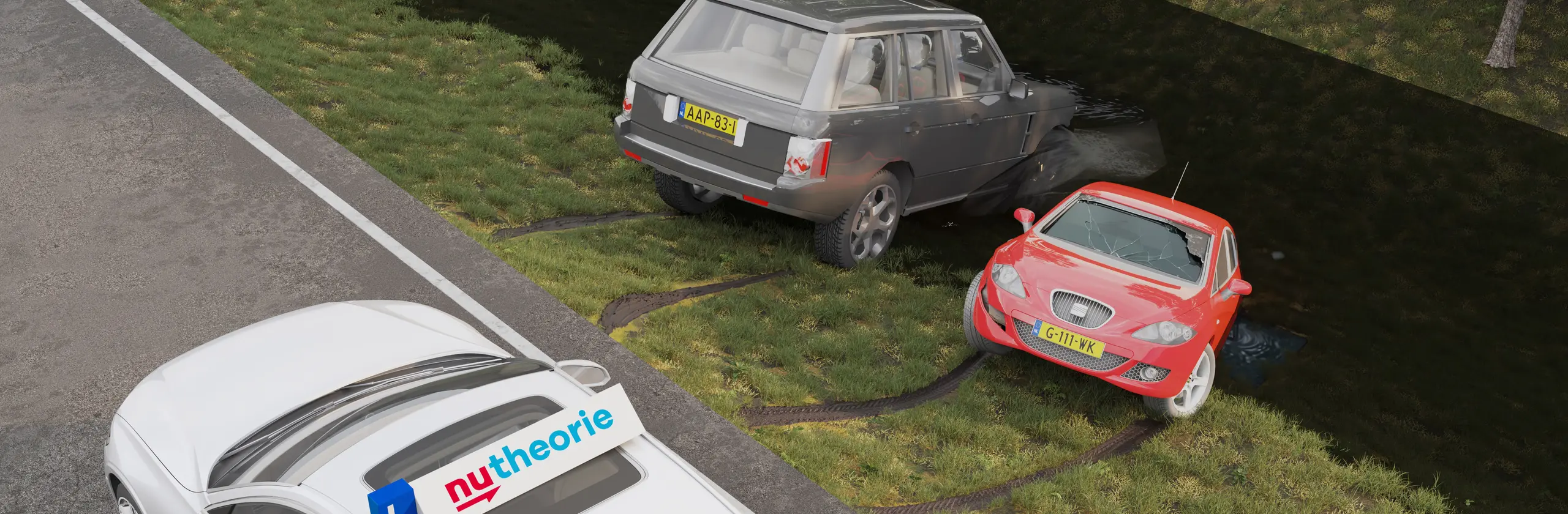

You're on the road and suddenly it happens: an accident occurs right before your eyes. A car crashes, someone falls off their bicycle, or a dangerous situation arises. You’re the first on the scene. In that critical moment, you must make decisions quickly, often without complete information. These decisions can have a major impact on the outcome—for the victims, yourself, and others nearby.

Which Choice Yields the Greatest Benefit?
When facing an accident, you might instinctively ask: what’s the wisest course of action? Should I help immediately, call emergency services, or secure the area first? Every choice carries consequences. The goal is to maximize positive outcomes while minimizing further harm.
.jpg)
For example, if you have no first aid experience, trying to remove someone from a car could worsen their injuries. In this case, calling 112 immediately and providing clear information is the safest and most effective choice. Professional help can address multiple victims simultaneously, increasing the overall positive impact.
Safety is equally important. An accident in the middle of the road creates risks for other drivers. By warning road users and keeping a safe distance, you can prevent secondary accidents.
Sometimes, multiple people are injured. You may have to prioritize who to help first. Focusing on those whose condition you can most positively influence is a rational, life-saving approach.
What Does the Theory Say?
Traffic safety theory emphasizes that, in many cases, moving an injured person is not recommended. The instinct to help by moving someone is natural, but it can inadvertently worsen injuries—especially to the neck or back. Leaving the person as they are until professionals arrive reduces the risk of permanent damage.
Controlled and informed actions are key: ensure safety, call for professional help, and keep the situation stable until experts take over. This approach significantly increases the likelihood of a positive outcome.
Case Study: When to Remove a Helmet
A common question in driving theory exams is: When should you remove the helmet after an accident involving a moped rider?
.jpg)
Options:
- If they are responsive
- If they are vomiting
- If they are unconscious
Correct answer: If they are vomiting.
Why Remove the Helmet Only When Vomiting?
Normally, a moped rider’s helmet should remain on after an accident. The helmet protects the head and neck, and incorrect removal can worsen injuries.
However, vomiting is a life-threatening exception. A helmet can trap vomit, increasing the risk of choking. In this situation, carefully remove the helmet to:
- Keep the mouth and airways clear
- Allow normal breathing
- Position the head safely to the side
Although removing the helmet carries some risk to the neck, preventing suffocation takes priority.
Be Fully Prepared for the CBR Theory Exam
Want to ensure you’re completely ready for the CBR theory exam? At Nutheorie, you can choose a one-day course or an online theory course. You’ll get:
- Practical exam exercises
- Expert guidance from instructors
- Tips that make the difference between passing and failing
Become a theory test champion and confidently master all traffic rules.
.jpg)
Conclusion
Being first at the scene of an accident is a critical responsibility. The decisions you make can have a lasting impact on the safety and recovery of those involved. Focus on controlled, informed actions: prioritize safety, call for professional help, and avoid unnecessary movement of the injured.
Know the exceptions, such as carefully removing a moped rider’s helmet if they are vomiting, to prevent life-threatening situations. By acting thoughtfully and following traffic safety principles, you maximize positive outcomes and minimize further harm, while ensuring you are prepared for any situation both on the road and in your CBR theory exam.

.jpg)