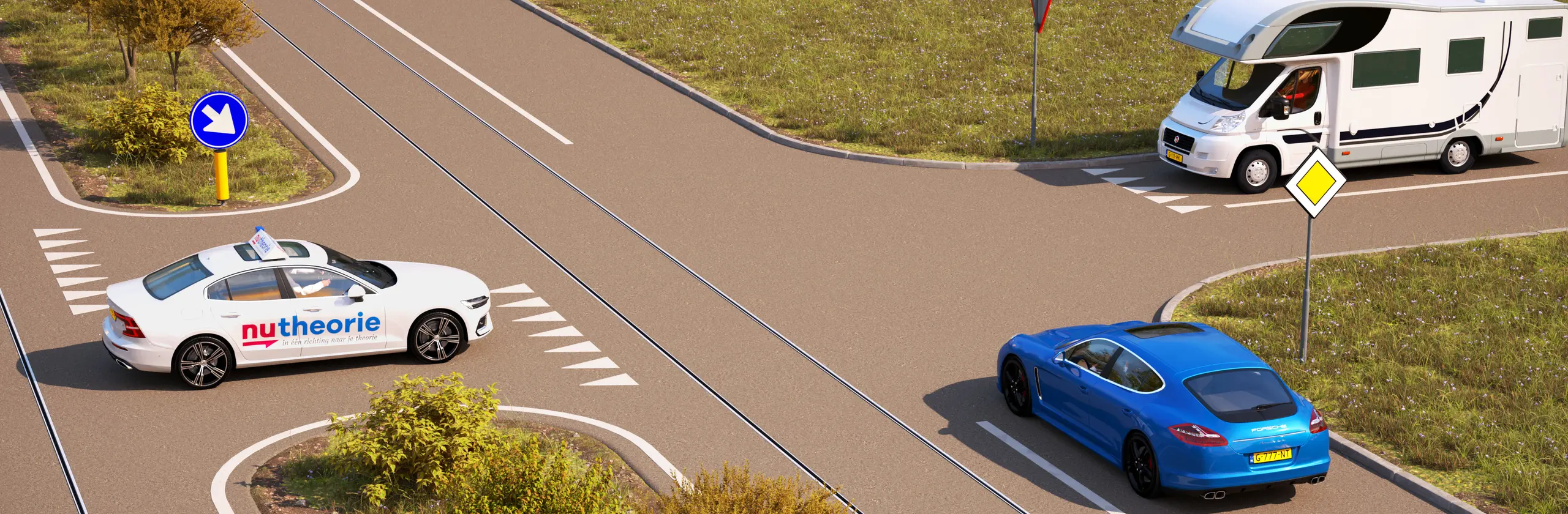

On paper, the traffic rules in the Netherlands are clear, but they are rarely enough on the road to guarantee your safety. There is a crucial tension between the legal right to priority and the need for defensive driving. In this article, we'll explore why “being right” isn't the same as “coming home safely.”

Traffic Rules versus Defensive Driving: Who really has the right to speak up?
The basis of our traffic system is predictability. Road signs, shark teeth and the rule “right comes first” are intended to prevent chaos. According to Article 5 of the Road Traffic Act however, it is prohibited to cause danger or nuisance. This means that the law actually requires you to waive your priority if that can prevent an accident.
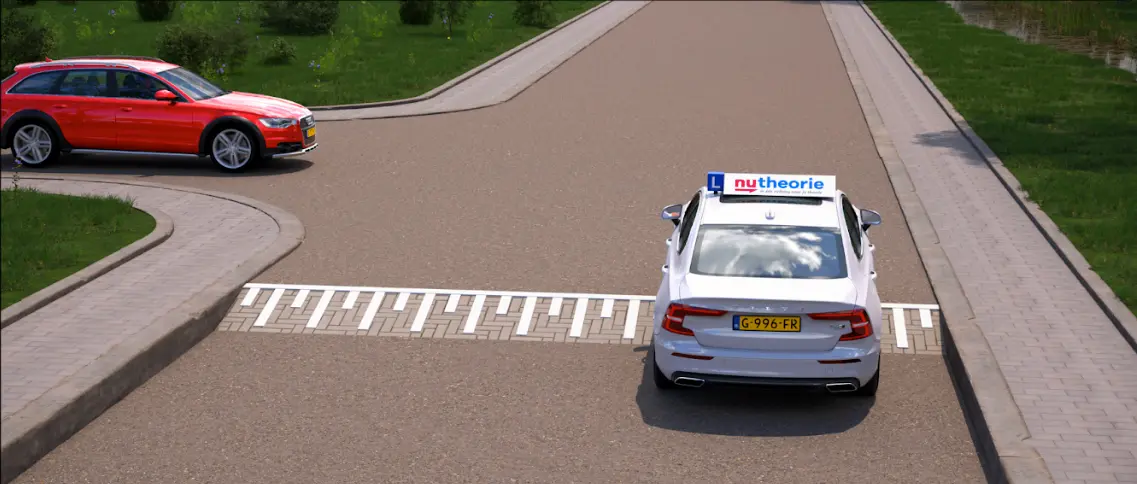
In daily driving: Why Taking Priority Is Dangerous
Every experienced driver recognizes it: a motorist who overlooks a priority sign or a cyclist who turns off without looking. In real life, human error plays an enormous role:
- Blind spots: Trucks or vans that you simply can't see.
- Distraction: Smartphones slow down the response time among fellow road users.
- Bad infrastructure: Unclear intersections where the priority situation does not immediately make sense.
Defensive Driving: Safety Over Regulations
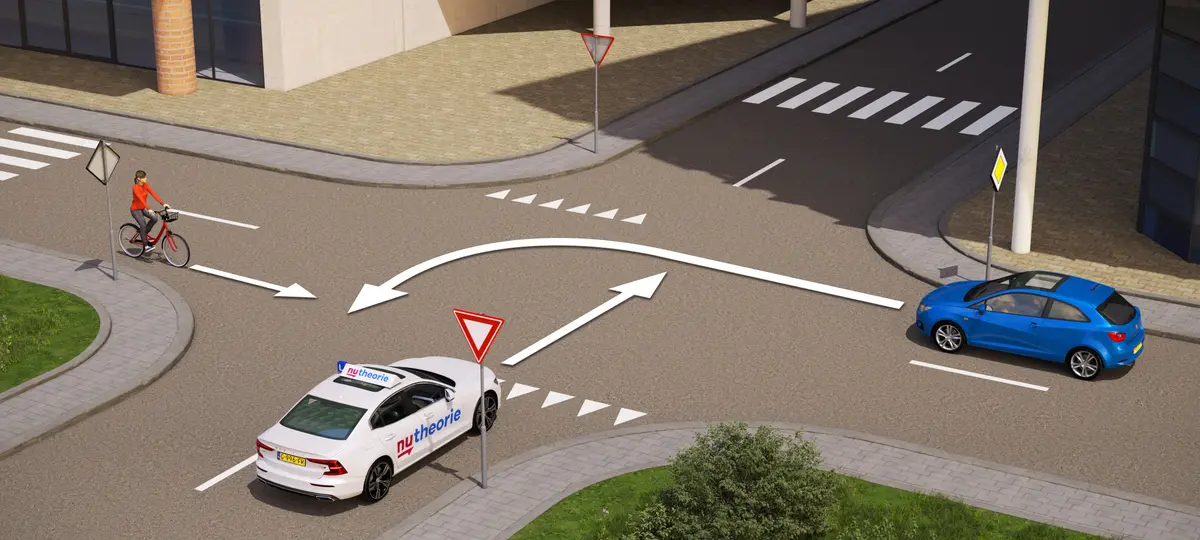
Defensive driving is the art of anticipating other people's mistakes. It is not a sign of weakness to relinquish priority; it is a sign of professionalism.
- Make eye contact: Check if the other driver actually saw you.
- Adjust your speed: Approach unclear intersections with one foot above the brake.
- Be predictable: Give clear direction, but don't enforce your spot.
Expert's tip: “Priority should be given, not taken.” This is the golden rule that prevents thousands of collisions each year.
Conclusion: Safety is a choice, not a rule
Knowing the traffic rules is essential, but applying common sense is what really keeps you safe. Priority is a legal tool for streamlining traffic, but it is never allowed to take unnecessary risks. By driving defensively, making eye contact and giving up priority when the situation calls for it, you are directly contributing to a safer roads for everyone.
Remember: it's better to arrive a second later than to get involved in an accident where you were “actually right.”